
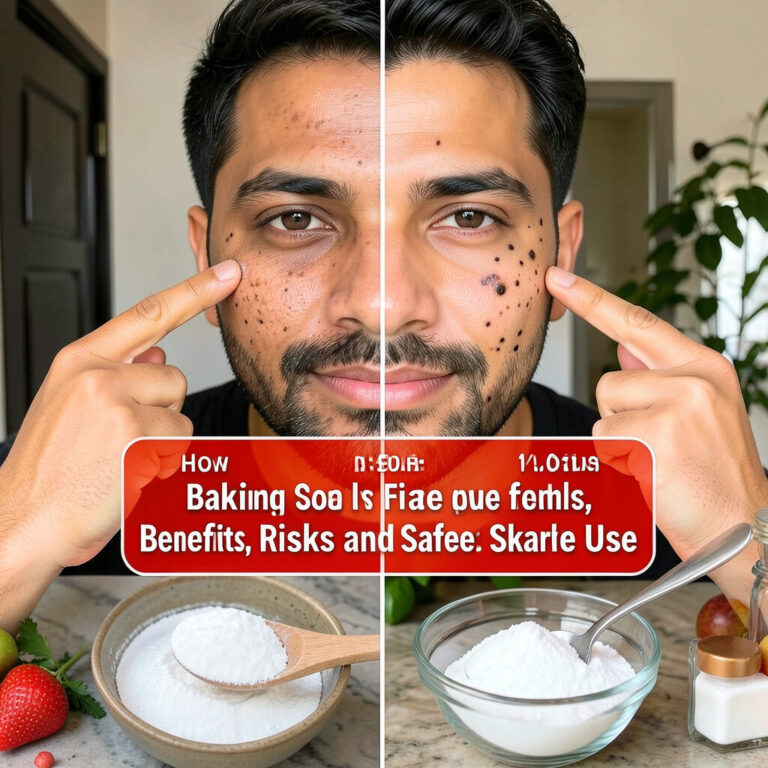
Introduction to Baking Soda in Skincare
Baking soda, scientifically known as sodium bicarbonate, is a common household item often lauded for its versatility beyond the kitchen. From cleaning to deodorizing, its uses are wide-ranging. Recently, it has gained attention in the skincare world, with some individuals exploring its potential benefits for various skin concerns, including dark spots, acne, and uneven skin texture.
This article delves into the claims surrounding baking soda as a skincare treatment, examining the potential benefits, significant risks, and providing guidance on how to use it safely, if at all. Understanding the science behind its interaction with your skin is crucial before attempting any DIY skincare remedies.
What is Baking Soda and Its Role in Skincare?
Baking soda is an alkaline substance, meaning it has a high pH level. Our skin, by contrast, is naturally acidic, with a pH typically ranging from 4.5 to 5.5. This slightly acidic environment, known as the acid mantle, is vital for protecting the skin barrier, fending off bacteria, and maintaining overall skin health.
When applied to the skin, baking soda can disrupt this delicate acid mantle due to its high alkalinity. Proponents of baking soda skincare suggest its abrasive texture makes it a good exfoliant, helping to remove dead skin cells and potentially lighten dark spots. Some also believe its drying properties can help with oily skin and acne breakouts. However, these perceived benefits come with considerable caveats.
Potential Benefits (with Caution)
While often promoted for various skin issues, evidence supporting the benefits of baking soda for facial skincare is largely anecdotal. Some individuals report temporary improvements, such as:
Exfoliation: Its fine, granular texture can physically exfoliate the skin, potentially removing dead skin cells and making the skin feel smoother. This may temporarily reduce the appearance of dark spots or dullness.
Drying Oily Skin: Due to its absorbent nature, baking soda might temporarily help to dry out excess oil on the skin, which could appeal to those with very oily complexions.
Acne Spot Treatment: Some use it as a spot treatment to dry out pimples, believing its antiseptic properties might help. However, this is highly debated and potentially damaging.
It’s important to reiterate that these are generally short-term observations and are not supported by extensive scientific research or dermatology recommendations for long-term skin health.
Significant Risks and Side Effects of Using Baking Soda on the Face
The risks associated with applying baking soda to the face often outweigh any perceived benefits. Disrupting the skin’s natural pH balance can lead to a cascade of problems:
Compromised Skin Barrier: The acid mantle is crucial for skin protection. When baking soda neutralizes this acidity, it can weaken the skin’s barrier, making it more vulnerable to environmental damage, bacteria, and moisture loss.
Dryness and Irritation: The alkaline nature of baking soda can strip the skin of its natural oils, leading to excessive dryness, redness, flakiness, and irritation. This can be particularly problematic for individuals with sensitive skin.
Increased Breakouts: A compromised skin barrier can paradoxically lead to more acne. When the skin is dry and irritated, it may overproduce oil to compensate, clogging pores and leading to new breakouts.
Hyperpigmentation: For some skin types, especially those prone to post-inflammatory hyperpigmentation, irritation from baking soda can actually worsen or cause new dark spots, rather than removing them.
Allergic Reactions: Though less common, some individuals may experience an allergic reaction to baking soda, resulting in itching, swelling, or a rash.
Photosensitivity: Damaged skin can become more sensitive to the sun, increasing the risk of sunburn and further skin damage.
How to Use Baking Soda Safely (If You Choose To)
Given the significant risks, most dermatologists advise against using baking soda on the face. However, if you are determined to try it despite the warnings, extreme caution and moderation are essential. It should never be a regular part of your skincare routine.
Patch Test is Non-Negotiable: Before applying baking soda to your face, always perform a patch test on a small, inconspicuous area of skin (e.g., behind the ear or on the inner arm). Wait 24-48 hours to check for any adverse reactions like redness, itching, or irritation.
For Gentle, Occasional Exfoliation (Use with Extreme Caution):
Create a Paste: Mix a very small amount (e.g., 1/2 teaspoon) of baking soda with enough water to form a thin paste.
Apply Gently: Apply the paste to your face using your fingertips, gently massaging in circular motions for no more than 10-15 seconds. Avoid the delicate eye area.
Rinse Thoroughly: Rinse your face completely with lukewarm water, ensuring no residue remains.
Moisturize Immediately: Follow up with a gentle, hydrating moisturizer to help restore your skin’s moisture barrier.
Frequency: Limit this to once a week at most, or even less frequently. Observe your skin’s reaction closely. Discontinue use immediately if any irritation occurs.
Never use baking soda on broken skin, open wounds, or if you have sensitive skin conditions like rosacea or eczema.
Safer Alternatives for Skincare Concerns
For addressing concerns like dark spots, uneven skin tone, and exfoliation, there are many safer and more effective skincare ingredients and products available:
Chemical Exfoliants: Alpha Hydroxy Acids (AHAs) like glycolic acid or lactic acid, and Beta Hydroxy Acids (BHAs) like salicylic acid, are much more effective and safer for exfoliation and addressing acne.
Vitamin C: A powerful antioxidant, Vitamin C serums can help brighten skin, reduce dark spots, and protect against environmental damage.
Niacinamide: Also known as Vitamin B3, niacinamide can improve skin tone, reduce redness, minimize pores, and strengthen the skin barrier.
Retinoids: Derivatives of Vitamin A, retinoids (like retinol) are highly effective for anti-aging, acne, and improving skin texture and pigmentation, though they require careful introduction to a routine.
Sunscreen: Daily use of broad-spectrum sunscreen is the most crucial step in preventing new dark spots and protecting your skin from further damage.
If you’re dealing with persistent skin issues, consulting a qualified dermatologist is always the best course of action. They can provide personalized advice and recommend professional skincare products or treatments tailored to your specific skin type and concerns.
Frequently Asked Questions About Baking Soda on the Face
Is baking soda good for removing dark spots?
While some anecdotal claims suggest baking soda can lighten dark spots due to its exfoliating properties, there is no scientific evidence to support this. Its alkaline nature can damage the skin barrier, potentially worsening hyperpigmentation or causing irritation.
Can baking soda damage your skin?
Yes, baking soda can damage your skin. Its high pH can disrupt the skin’s natural acid mantle, leading to dryness, irritation, redness, increased sensitivity, and a compromised skin barrier.
How often can I use baking soda on my face?
Dermatologists generally advise against using baking soda on the face. If you choose to use it, it should be done very rarely, perhaps once a week at most, and only after a patch test, to minimize potential damage.
What are safer alternatives for exfoliation?
Safer and more effective alternatives for exfoliation include products containing AHAs (like glycolic or lactic acid) or BHAs (like salicylic acid), which chemically exfoliate without harsh scrubbing or disrupting skin pH.
Final Thoughts on Baking Soda for Skincare
While baking soda is a staple in many households, its role in facial skincare is highly controversial and generally not recommended by dermatologists. The potential for disrupting the skin’s delicate balance and causing irritation, dryness, or even worsening conditions like dark spots, outweighs any perceived benefits.
For effective and safe skincare, it’s best to rely on products specifically formulated for facial use that respect the skin’s natural pH. If you’re looking to address specific concerns like dark spots, acne, or uneven skin tone, consult a skincare professional who can guide you toward evidence-based solutions that will truly benefit your skin’s health.
