
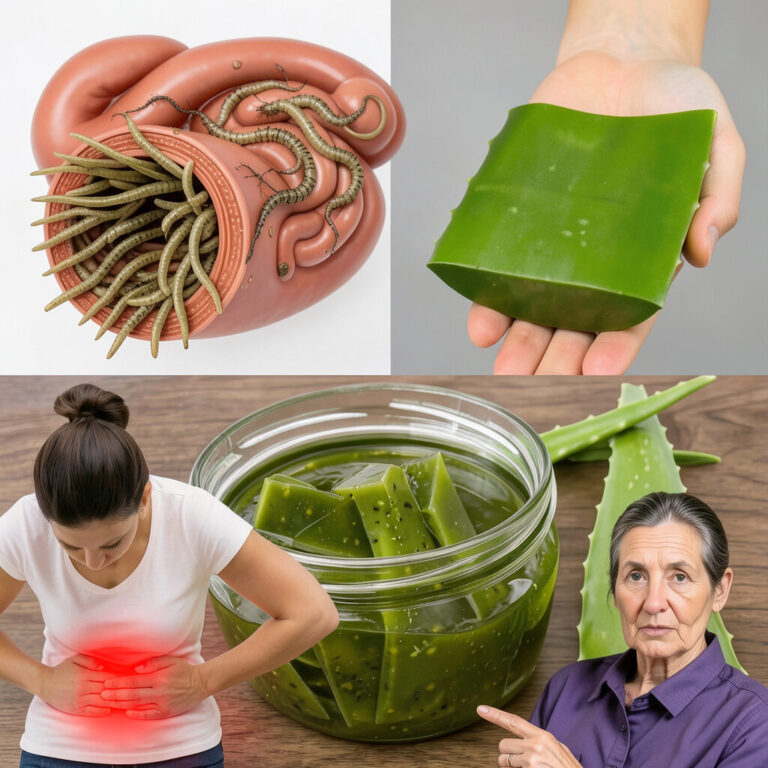
Understanding Intestinal Parasites and Digestive Health
Intestinal parasites are a common concern worldwide, affecting millions of people. These organisms can reside in the digestive tract, leading to a range of uncomfortable symptoms such as abdominal pain, bloating, fatigue, and nutrient deficiencies. While medical treatments are available and often necessary, many individuals also seek natural remedies to support their digestive health and maintain a balanced gut environment.
Maintaining a healthy digestive system is crucial for overall well-being. A balanced gut flora and efficient intestinal function are key to proper nutrient absorption and immune system support. When this balance is disrupted, whether by parasites or other factors, it can lead to significant discomfort and health issues. This is where natural approaches, such as incorporating certain plants into one’s wellness routine, come into play.
The Power of Aloe Vera for Gut Support
Aloe vera, a succulent plant known for its thick, fleshy leaves, has been celebrated for centuries for its diverse medicinal properties. Often recognized for its skin-soothing abilities, aloe vera also holds potential benefits for internal health, particularly concerning the digestive system. The gel found within the aloe vera leaf is rich in various compounds, including vitamins, minerals, enzymes, amino acids, and polysaccharides.
These components contribute to aloe vera’s potential to support digestive health. For instance, its anti-inflammatory properties may help soothe irritation in the gut lining, while its natural laxative effects can aid in promoting regular bowel movements, which is important for cleansing the digestive tract. Some research also suggests that certain compounds in aloe vera may possess antimicrobial properties, making it a subject of interest for those exploring natural ways to address imbalances in gut flora.
Key Components of Aloe Vera Gel
Polysaccharides: These complex carbohydrates are believed to be responsible for many of aloe vera’s healing properties, including its potential to support immune function and soothe the digestive tract.
Anthraquinones: Found in the latex of the aloe plant, these compounds act as natural laxatives, promoting bowel regularity. It’s important to note that the green outer leaf contains more of these compounds, and excessive consumption of the latex can lead to adverse effects.
Vitamins and Minerals: Aloe vera contains a spectrum of vitamins (A, C, E, B vitamins) and minerals (calcium, magnesium, zinc), all essential for overall health and digestive function.
Enzymes: Digestive enzymes like amylase and lipase found in aloe vera can help break down fats and sugars, aiding in digestion.
How Aloe Vera May Support Intestinal Cleansing
While the claim of aloe vera being “150 times stronger than garlic, lemon, and antibiotics” for destroying bacteria and fungi is a strong assertion and lacks robust scientific backing in that specific comparative context, aloe vera does possess properties that may contribute to a healthy intestinal environment. Its potential benefits for cleansing and supporting gut health include:
Promoting Regularity: The natural laxative effect of aloe vera can help move waste through the digestive system more efficiently, which is a crucial aspect of detoxification and preventing accumulation of harmful substances.
Soothing Inflammation: The anti-inflammatory compounds in aloe vera may help calm irritation in the gut lining, potentially easing discomfort associated with various digestive issues.
Antimicrobial Properties: Some studies suggest that aloe vera may have mild antibacterial, antiviral, and antifungal properties, which could contribute to maintaining a balanced microbial environment in the intestines. This doesn’t mean it eradicates all harmful organisms but rather supports a healthy balance.
Nutrient Support: By providing essential vitamins, minerals, and enzymes, aloe vera can help support the body’s natural healing processes and overall digestive function.
It’s important to approach claims about natural remedies with a balanced perspective. While aloe vera offers promising benefits, it should not replace conventional medical treatment for serious conditions like parasitic infections. Always consult a healthcare professional for diagnosis and treatment of such issues.
Incorporating Aloe Vera into Your Wellness Routine
If you’re considering using aloe vera for digestive health, it’s essential to use the inner leaf gel, free from the yellow latex (aloin), especially if consuming it orally. The latex can be a strong laxative and may cause discomfort. Look for purified aloe vera juice or gel products that are certified to be aloin-free.
Practical Tips for Using Aloe Vera:
Aloe Vera Juice: Many health stores offer aloe vera juice. Start with small amounts (e.g., 1-2 ounces) and observe how your body reacts.
Fresh Aloe Gel (Carefully Prepared): If using fresh leaves, carefully extract the clear gel from the inner leaf, ensuring to remove all traces of the yellow latex layer just beneath the skin. This raw gel can be blended into smoothies or consumed directly in small quantities.
Consistency: For potential benefits, consistent, moderate intake over time is generally recommended, rather than large, infrequent doses.
Always choose high-quality, reputable aloe vera products, especially for internal use. If you have any underlying health conditions, are pregnant, breastfeeding, or taking medications, consult your doctor before adding aloe vera to your regimen.
Important Considerations and Safety Notes
While aloe vera is generally considered safe for most people when consumed in appropriate forms and dosages, there are important considerations:
Aloin Content: The yellow latex (aloin) found in the outer leaf and just beneath the skin can cause digestive upset, including cramping and diarrhea. It’s crucial to use products that are certified aloin-free for internal consumption.
Medication Interactions: Aloe vera can interact with certain medications, particularly those for diabetes, heart conditions, or blood thinners. Always discuss with a healthcare provider.
Pregnancy and Breastfeeding: Pregnant and breastfeeding women should avoid oral consumption of aloe vera due to potential risks.
Digestive Sensitivity: Some individuals may experience digestive discomfort even with aloin-free aloe vera. Start with small doses to assess tolerance.
Natural remedies like aloe vera can be a valuable part of a holistic approach to wellness, but they are not a substitute for professional medical advice or treatment. If you suspect you have an intestinal parasitic infection or are experiencing persistent digestive issues, it is imperative to seek guidance from a qualified healthcare professional.
Frequently Asked Questions About Aloe Vera and Gut Health
Can aloe vera really eliminate intestinal parasites?
While aloe vera has properties that may support a healthy gut environment and aid in cleansing, there is no scientific evidence to suggest it can eliminate intestinal parasites as a standalone treatment. Medical diagnosis and prescribed treatments are necessary for parasitic infections.
What is the best way to consume aloe vera for digestive health?
The safest way for digestive health is to consume purified, aloin-free aloe vera juice or gel. Start with small amounts and follow product recommendations or consult a healthcare professional.
Are there any side effects of taking aloe vera internally?
When consuming aloin-containing aloe vera latex, side effects can include abdominal cramps, diarrhea, and electrolyte imbalance. Even aloin-free gel can cause mild digestive upset in some individuals. It’s important to listen to your body and discontinue use if adverse reactions occur.
How does aloe vera compare to probiotics for gut health?
Aloe vera and probiotics offer different benefits. Probiotics introduce beneficial bacteria to the gut, while aloe vera primarily soothes, cleanses, and provides nutrients. They can potentially complement each other, but consult a health professional for personalized advice.
Final Thoughts on Aloe Vera for Intestinal Support
Aloe vera is a remarkable plant with a long history of use in traditional medicine, offering a range of potential benefits for digestive health. Its ability to soothe irritation, promote regularity, and provide essential nutrients makes it a valuable addition to a wellness-focused lifestyle. While it may contribute to maintaining a healthy intestinal environment, it’s crucial to understand its role as a supportive natural remedy rather than a definitive cure for serious conditions like parasitic infections.
Always prioritize a balanced diet, healthy lifestyle choices, and professional medical advice for any significant health concerns. By integrating natural remedies like aloe vera thoughtfully and responsibly, you can support your body’s innate ability to thrive.
