
Understanding Uterine Fibroids and Ovarian Cysts
Uterine fibroids and ovarian cysts are common gynecological conditions that can significantly impact a woman’s quality of life. While often benign, their symptoms can range from mild discomfort to severe pain and fatigue, leading many to seek effective ways to manage their health. Understanding these conditions is the first step toward finding appropriate support and care.
What Are Uterine Fibroids?
Uterine fibroids are non-cancerous growths that develop in the uterus. They can vary in size from tiny seedlings to bulky masses that can distort and enlarge the uterus. Many women have uterine fibroids at some point in their lives, though not all experience symptoms. The exact cause of fibroids isn’t fully understood, but factors like hormones (estrogen and progesterone), genetics, and other growth factors are believed to play a role.
Common symptoms associated with uterine fibroids include:
- Heavy menstrual bleeding
- Prolonged menstrual periods
- Pelvic pressure or pain
- Frequent urination
- Difficulty emptying the bladder
- Constipation
- Backache or leg pains
The presence and severity of these symptoms depend on the fibroids’ size, number, and location within the uterus.
What Are Ovarian Cysts?
Ovarian cysts are fluid-filled sacs or pockets within or on the surface of an ovary. Most ovarian cysts are functional cysts, meaning they form as a normal part of the menstrual cycle and are usually harmless, disappearing on their own within a few weeks. However, other types of cysts, such as dermoid cysts, endometriomas, or cystadenomas, can be more persistent and may require medical attention.
While many ovarian cysts cause no symptoms, larger cysts or those that rupture can lead to:
- Pelvic pain, which may be dull or sharp
- Fullness or heaviness in your abdomen
- Bloating
In some cases, severe abdominal pain, fever, or vomiting can indicate a ruptured cyst or ovarian torsion, which are medical emergencies.
Exploring Holistic and Lifestyle Approaches
While medical consultation is crucial for diagnosis and treatment plans for both fibroids and cysts, many women explore holistic and lifestyle approaches to support their reproductive health and manage symptoms. These can include dietary changes, stress management techniques, and certain herbal remedies. It’s important to approach these methods with caution and always discuss them with a healthcare professional, especially when dealing with chronic conditions.
Some areas often explored in holistic health for reproductive wellness include:
- Dietary Adjustments: Focusing on an anti-inflammatory diet rich in fruits, vegetables, and whole grains, while reducing processed foods, red meat, and excessive sugar, is often recommended. Some believe that certain foods can influence hormone balance.
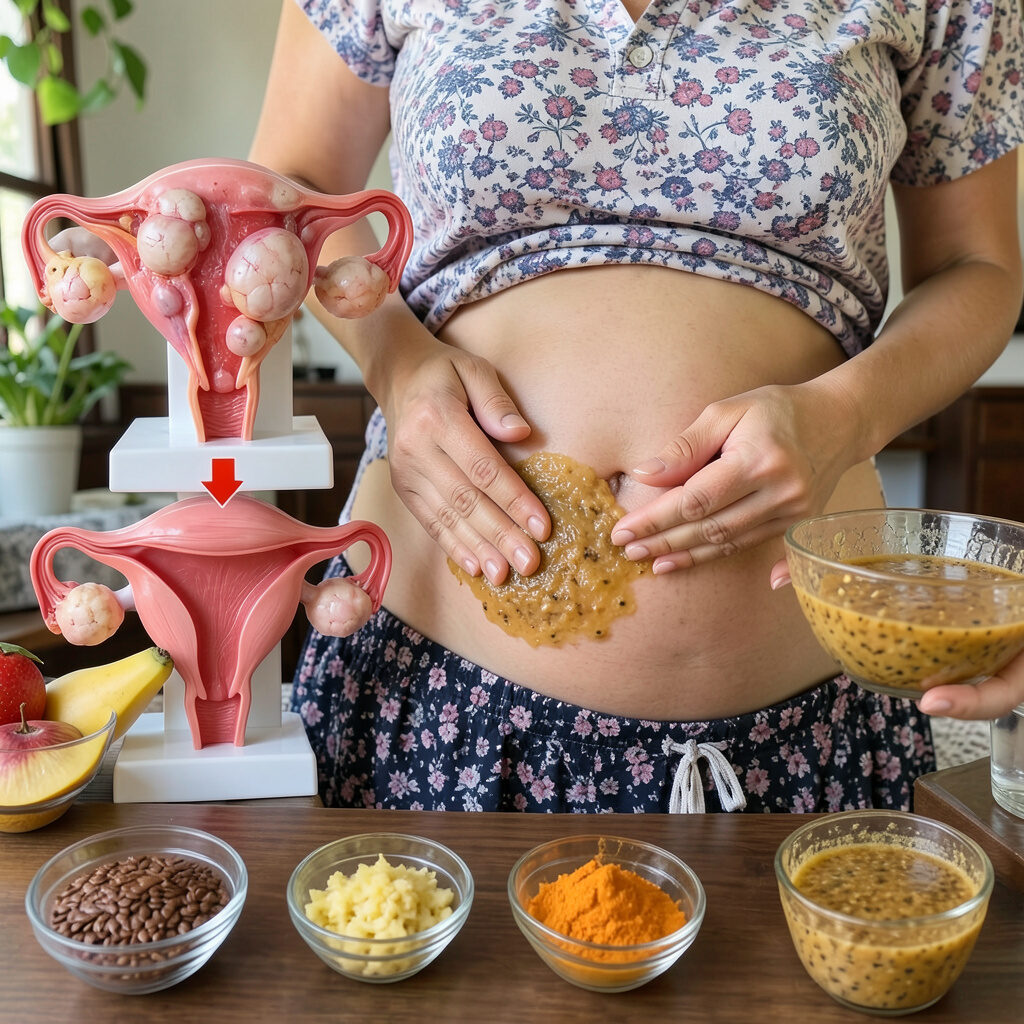
- Herbal Support: Various herbs are traditionally used to support women’s health. For instance, some ingredients visible in the image, such as flaxseeds and turmeric, are often discussed in wellness circles for their potential benefits. Flaxseeds are a source of lignans, which may have estrogen-balancing effects, while turmeric is known for its anti-inflammatory properties. Ginger, also depicted, is a common ingredient in many traditional remedies for its soothing qualities.
- Stress Reduction: Chronic stress can impact hormone balance. Practices like yoga, meditation, and mindfulness can help manage stress levels.
- Physical Activity: Regular exercise can help maintain a healthy weight, which is beneficial for overall hormonal health.
Important Considerations for Homemade Remedies
The image depicts a homemade remedy preparation, including ingredients like flaxseeds, minced yellow substance (likely ginger), and orange powder (likely turmeric), suggesting a blend for internal consumption or topical application. While these ingredients are recognized for their individual health benefits, it’s critical to understand that homemade remedies are not a substitute for professional medical advice or treatment for conditions like uterine fibroids and ovarian cysts.
The claim that a drink can “ERASE” fibroids and cysts in a matter of hours is not supported by scientific evidence. These conditions typically require careful medical evaluation, and treatment options range from watchful waiting to medication or surgical intervention, depending on the severity and type of condition. Always consult with your doctor before trying any new remedy, especially if you are experiencing symptoms or have been diagnosed with a medical condition.
Nutritional Components and Potential Benefits
Let’s look at some of the ingredients often found in such wellness preparations and their general nutritional value:
- Flaxseeds: Rich in omega-3 fatty acids, fiber, and lignans. Lignans are phytoestrogens that may help balance hormone levels. Fiber supports digestive health.
- Ginger: Contains gingerol, a bioactive compound with powerful anti-inflammatory and antioxidant effects. It’s commonly used to alleviate nausea and support digestion.
- Turmeric: Contains curcumin, a potent anti-inflammatory and antioxidant compound. Turmeric has been studied for its potential role in various health conditions, including those involving inflammation.
While these ingredients offer valuable nutritional support and may contribute to overall well-being, their direct impact on eliminating fibroids or cysts, especially in a short timeframe, is not scientifically established in the way suggested by the image’s accompanying text. They are best viewed as components of a healthy diet that supports the body’s natural functions, rather than as standalone cures.
Seeking Professional Medical Advice
If you are experiencing symptoms related to uterine fibroids, ovarian cysts, or any other gynecological concerns, it is essential to consult a qualified healthcare professional. They can provide an accurate diagnosis, discuss evidence-based treatment options, and help you make informed decisions about your health. Self-treating serious medical conditions without professional guidance can be risky and may delay appropriate care.
Frequently Asked Questions
Can diet really impact uterine fibroids and ovarian cysts?
While diet alone cannot cure fibroids or cysts, a balanced, nutrient-rich diet may help manage symptoms and support overall hormonal health. Reducing inflammatory foods and increasing fiber intake are common recommendations, but individual results vary, and medical advice is always necessary.
Are herbal remedies safe for fibroids and cysts?
Many herbal remedies have been traditionally used for women’s health. However, “natural” does not always mean “safe.” Herbs can interact with medications, have side effects, or be contraindicated for certain conditions. Always discuss any herbal remedies with your doctor or a qualified herbalist before use.
How are uterine fibroids and ovarian cysts typically diagnosed?
Both conditions are usually diagnosed through a pelvic exam, ultrasound, and sometimes other imaging tests like MRI or blood tests, depending on the specific symptoms and suspected condition. A medical professional can accurately diagnose and recommend appropriate next steps.
What are common medical treatments for these conditions?
Treatment for uterine fibroids can range from watchful waiting, medication to manage symptoms (like pain or heavy bleeding), to surgical options such as myomectomy (removal of fibroids) or hysterectomy (removal of the uterus). For ovarian cysts, treatment depends on the type, size, and symptoms, and may include watchful waiting, birth control pills to prevent new cysts, or surgical removal.
Final Thoughts
Managing conditions like uterine fibroids and ovarian cysts requires a comprehensive approach that prioritizes professional medical guidance. While lifestyle choices, including diet and stress management, can play a supportive role in overall well-being, it’s crucial to distinguish between general health support and definitive medical treatment. Always consult with healthcare providers for diagnosis, treatment, and advice tailored to your individual health needs.
