
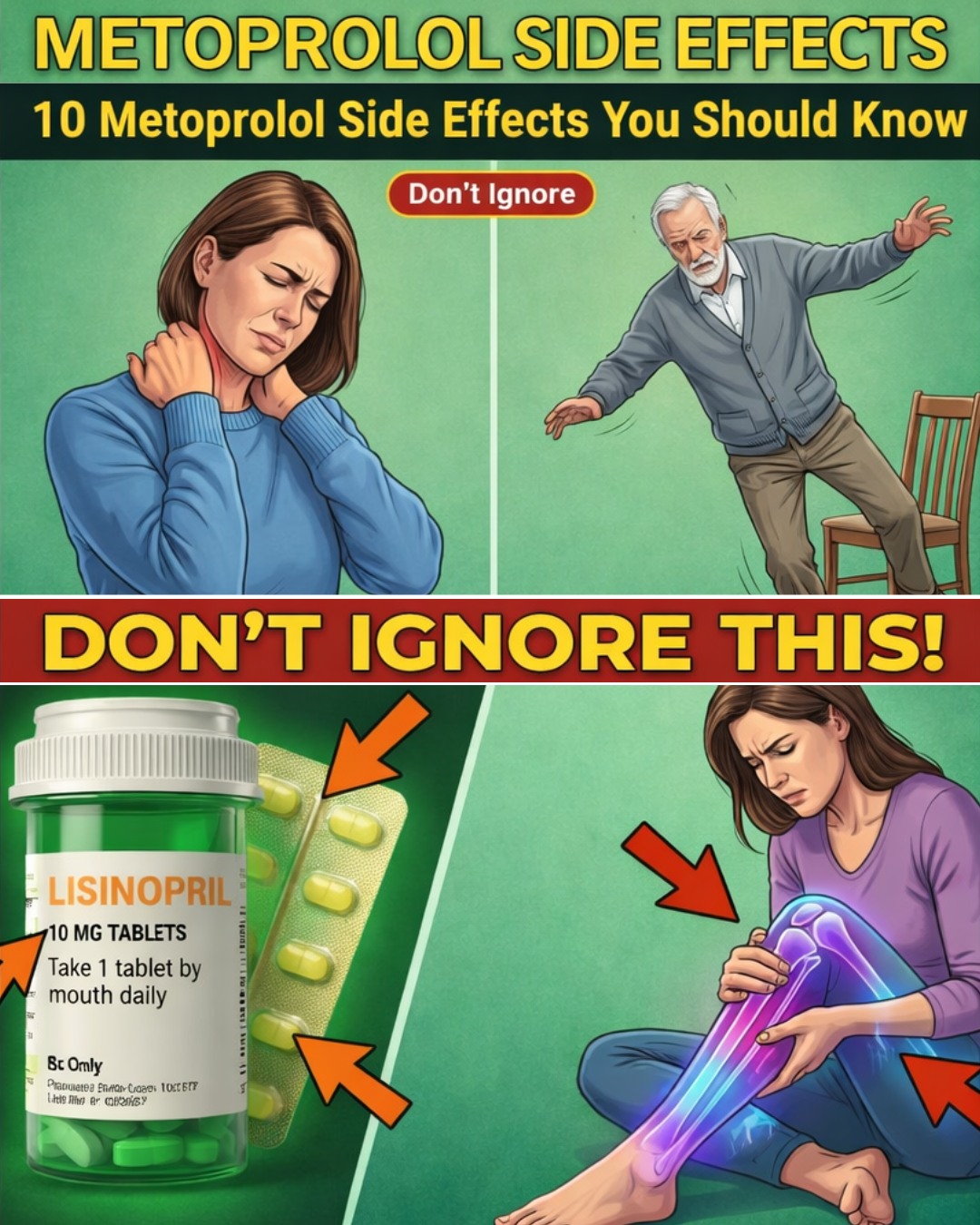
# 10 Metoprolol Side Effects That Are Often Overlooked
Metoprolol is a beta-blocker commonly prescribed to lower blood pressure, reduce strain on the heart, manage angina and certain abnormal heart rhythms, and support treatment after a heart attack. Some extended-release forms are also used for heart failure.
Many people take metoprolol without serious problems. However, because it slows the heart rate and affects blood pressure, circulation, and the nervous system, it can cause symptoms that are sometimes mistaken for stress, aging, poor sleep, or another health condition.
The effects can differ depending on the dose, the type of metoprolol used, other medications, and the person’s overall health. Understanding possible reactions can help you recognize when a symptom deserves medical attention.
This article is for general information and does not replace advice from a doctor or pharmacist.
## How Metoprolol Works
Metoprolol mainly blocks beta-1 receptors in the heart. This reduces the effects of stress hormones such as adrenaline, helping the heart beat more slowly and with less force.
This action can lower blood pressure and reduce the heart’s workload. However, some of the medication’s side effects are related to the same changes that make it effective.
Metoprolol is available in different formulations, including immediate-release metoprolol tartrate and extended-release metoprolol succinate. They are not automatically interchangeable, so always follow the exact instructions on your prescription.
## 1. Persistent Fatigue or Reduced Energy
Tiredness is one of the most commonly reported effects of metoprolol. Some people notice that they feel unusually drained, need more rest, or cannot exercise as comfortably as before.
This may be more noticeable when treatment begins or after the dose is increased. The body sometimes adjusts over the following days or weeks, but persistent or severe fatigue should be discussed with a healthcare professional.
Fatigue accompanied by shortness of breath, swelling, chest discomfort, confusion, or fainting requires more urgent evaluation.
## 2. Dizziness and Light-Headedness
Metoprolol can lower blood pressure and slow the heart rate. As a result, some people feel dizzy, weak, or light-headed, especially when standing up quickly.
To reduce this problem:
* Rise slowly from bed or a chair.
* Sit or lie down if you feel faint.
* Avoid driving until you know how the medication affects you.
* Ask your doctor before increasing your fluid or salt intake, particularly if you have heart failure or kidney disease.
* Limit alcohol because it may worsen dizziness.
Frequent falls, fainting, or severe dizziness should not be ignored.
## 3.
A Slower-Than-Usual Heart Rate
A lower pulse may be an intended effect of metoprolol. However, an excessively slow heartbeat can cause weakness, dizziness, confusion, fainting, chest discomfort, or difficulty breathing.
There is no single pulse number that is dangerous for everyone. Athletes, older adults, and people with heart conditions may have different safe ranges. Ask your healthcare provider what heart rate is appropriate for you and when you should seek help.
Do not change the dose based only on a home pulse reading unless a clinician has given you specific instructions.
## 4. Cold Hands and Feet
Beta-blockers can reduce circulation to the extremities, leaving the fingers and toes cold, pale, or occasionally numb.
Warm socks, gloves, gentle movement, and avoiding tobacco may help. Caffeine can also narrow blood vessels in some people and may make the sensation worse.
Contact your doctor if a hand or foot becomes unusually painful, persistently discolored, or markedly colder than the other side.
## 5.
Sleep Disturbances and Vivid Dreams
Metoprolol may occasionally be associated with insomnia, restless sleep, unusual dreams, or nightmares. These effects can contribute to daytime fatigue and mood changes.
Keeping a brief record of when symptoms occur may help a doctor determine whether they are related to the medication, its timing, or another cause.
Do not move a dose from morning to evening, or the reverse, without checking with your doctor or pharmacist.
## 6. Mood or Cognitive Changes
Some people report depression, low mood, confusion, or short-term memory difficulties while taking metoprolol. These symptoms are not always caused by the medication, since stress, illness, poor sleep, and other medicines can produce similar effects.
New or worsening mood changes should still be discussed with a clinician. Seek urgent help if depression becomes severe or if thoughts of self-harm occur.
Sudden confusion, facial drooping, difficulty speaking, or weakness on one side of the body may indicate a medical emergency rather than an ordinary side effect.
## 7. Digestive Problems
Metoprolol can cause nausea, stomach discomfort, diarrhea, constipation, vomiting, or gas in some people.
Taking the medication consistently as directed—often with or immediately after food, depending on the prescription—may improve tolerance. Eating smaller meals and choosing simple foods can also help temporarily.
Contact a healthcare professional if vomiting or diarrhea is severe, persists, causes signs of dehydration, or prevents you from keeping your medicine down.
Do not automatically repeat a dose after vomiting without professional advice.
## 8. Shortness of Breath or Wheezing
Although metoprolol primarily targets receptors in the heart, higher doses may also affect receptors involved in breathing. People with asthma, chronic obstructive pulmonary disease, or another respiratory condition may be more vulnerable to wheezing or breathing difficulty.
New or worsening wheezing should be reported promptly. Severe breathlessness, blue or grey lips, inability to speak normally, or swelling of the face or throat requires emergency care.
Shortness of breath with rapid weight gain, swollen ankles, or difficulty lying flat may also be a warning sign of worsening heart failure.
## 9.
Sexu=al Difficulties
Metoprolol may contribute to erectile dysfunction, reduced sexual interest, or other changes in sexual function. These concerns are often underreported because people may feel uncomfortable discussing them.
High blood pressure, diabetes, cardiovascular disease, stress, depression, and other medications can cause similar problems. A healthcare professional can assess the likely cause and discuss safe options.
Never use erectile-dysfunction medication or unregulated supplements without checking for interactions with your existing treatment.
## 10. Changes in Blood-Sugar Warning Signs
Metoprolol can make it harder to recognize some symptoms of low blood sugar, particularly a rapid heartbeat or tremor. Sweating, dizziness, hunger, confusion, or unusual weakness may still occur.
This is especially important for people with diabetes who use insulin or medications that can cause hypoglycemia. Blood glucose may need to be monitored more carefully when metoprolol is started or its dose changes.
If you have diabetes, ask your healthcare provider how to recognize and manage low blood sugar while taking a beta-blocker.
## Less Common Reactions Worth Reporting
Not every possible reaction fits neatly into a list of ten. Other reported effects include:
* Headache
* Skin rash or itching
* Dry eyes or blurred vision
* Muscle aches
* Hair thinning
* Ringing in the ears
* Changes in weight
* Worsening psoriasis
* Swelling of the ankles or legs
These symptoms can have many possible causes. A doctor or pharmacist can help determine whether metoprolol, another medication, or an underlying condition is responsible.
## Warning Signs That Require Urgent Medical Attention
Seek urgent medical help if you experience:
* Severe trouble breathing or rapidly worsening wheezing
* Swelling of the face, lips, tongue, or throat
* Chest pain or pressure
* Fainting or inability to remain awake
* A very slow or irregular heartbeat with symptoms
* Severe weakness, confusion, or loss of coordination
* Rapid weight gain with swelling and shortness of breath
* Blue or grey lips or skin
* Signs of a severe allergic reaction
If symptoms appear life-threatening, contact emergency services immediately.
## Never Stop Metoprolol Suddenly
Metoprolol should not usually be stopped abruptly. Sudden withdrawal can worsen angina, trigger a rapid or irregular heartbeat, raise blood pressure, or increase the risk of a heart attack in susceptible people.
If treatment needs to end, a healthcare professional will normally create a gradual dose-reduction plan.
Do not skip doses or reduce the amount because of a suspected side effect without contacting your prescriber, unless emergency professionals tell you otherwise.
## Medicines and Substances That May Interact With Metoprolol
Metoprolol may interact with other treatments that affect heart rate, blood pressure, or how the liver processes medication. Examples can include:
* Other blood-pressure medicines
* Certain calcium-channel blockers
* Digoxin
* Some medications for abnormal heart rhythms
* Certain antidepressants
* Clonidine
* Insulin and other diabetes medications
* Some anti-inflammatory pain relievers
* Cold remedies containing decongestants
* Alcohol
This is not a complete interaction list. Tell your doctor and pharmacist about every prescription medicine, over-the-counter product, vitamin, and herbal supplement you use.
## What to Do if You Suspect a Side Effect
Keep a simple record of:
* When the symptom began
* When you take metoprolol
* Your dose and formulation
* Any recent dose changes
* Your heart rate and blood pressure, if you have been advised to measure them
* Other medications or supplements taken
* What makes the symptom better or worse
Share this information with your doctor or pharmacist. Depending on the situation, they may review the dose, timing, formulation, other medications, or possible alternative causes.
## Frequently Asked Questions
### Do Metoprolol Side Effects Disappear?
Mild tiredness, dizziness, or digestive discomfort may improve as the body adjusts. Persistent, worsening, or disruptive symptoms should be reviewed rather than simply tolerated.
### Can Metoprolol Cause Weight Gain?
Weight changes have been reported, but sudden weight gain—especially with swollen legs or breathlessness—can indicate fluid retention or worsening heart failure and needs prompt assessment.
### Can I Drink Alcohol While Taking Metoprolol?
Alcohol may increase dizziness and low blood pressure. Ask your healthcare provider whether alcohol is safe for you, particularly if you have heart disease, liver disease, or take other medications.
### What Should I Do if I Miss a Dose?
Follow the instructions supplied with your prescription. In general, do not take two doses together to compensate for a missed one. Contact a pharmacist if you are uncertain.
### Should I Monitor My Blood Pressure and Pulse?
Some people benefit from home monitoring, but it should be done according to a clinician’s instructions. Record the readings along with any symptoms and bring them to your appointments.
## The Bottom Line
Metoprolol is an important and effective medication, but it can cause effects that are easy to dismiss, including fatigue, dizziness, cold extremities, sleep changes, digestive problems, sexual difficulties, and changes in low-blood-sugar warning signs.
Most reactions are not medical emergencies, but new, persistent, or worsening symptoms deserve professional review. Serious breathing problems, fainting, chest pain, symptomatic slow heart rate, or signs of heart failure require urgent attention.
Continue taking metoprolol exactly as prescribed, and never stop it suddenly without medical guidance.
