
The Refreshing Power of Mint: More Than Just a Garnish
Mint, a widely loved herb known for its refreshing aroma and flavor, is a staple in kitchens around the world. Beyond its culinary uses, mint has a long history in traditional medicine, valued for its various health-supporting properties. While it’s often associated with digestive comfort or fresh breath, there’s growing interest in how mint leaf preparations might contribute to broader aspects of health, including ocular wellness.
The idea that a simple plant like mint could be a key player in maintaining vision or addressing eye concerns like cataracts is certainly intriguing. This article will delve into the known properties of mint and explore how incorporating it into your diet and lifestyle might offer general health advantages, potentially supporting the intricate systems that contribute to eye health.
What Are Mint Leaf Preparations?
Mint leaf preparations encompass a variety of ways to utilize the fresh or dried leaves of the mint plant. These can range from simple infusions and teas to more concentrated forms like essential oils (though internal use of essential oils should always be approached with extreme caution and professional guidance). Common preparations include:
Mint Tea: Steeping fresh or dried mint leaves in hot water to create a soothing beverage.
Mint Juice or Smoothies: Blending fresh mint leaves with fruits and vegetables for a nutrient-rich drink.
Herbal Extracts: Concentrated forms made by steeping mint in alcohol or another solvent.
Topical Applications: Using mint-infused compresses or washes for external relief, though direct eye application should be avoided.
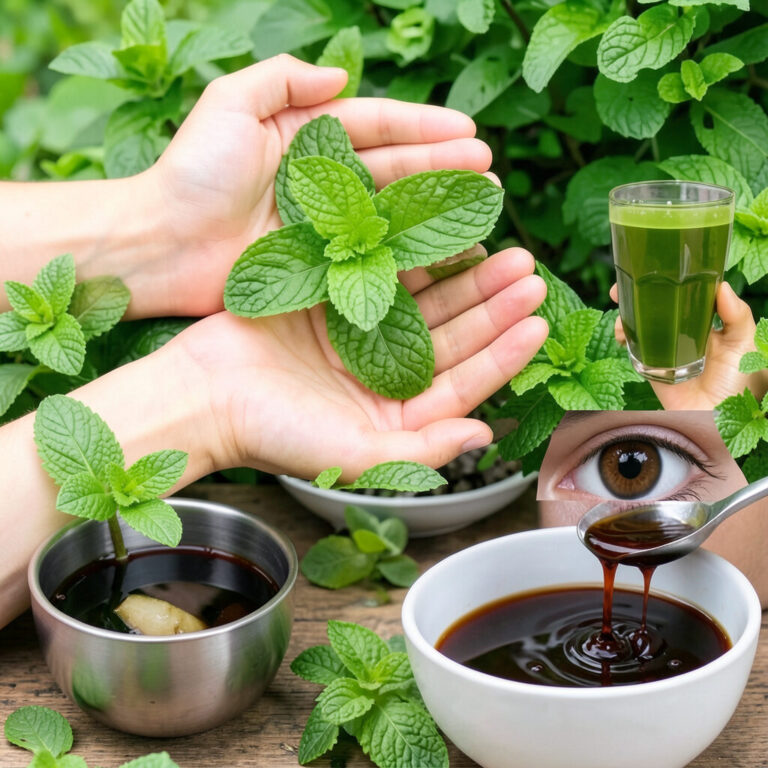
The visual cues in the provided image, showing green liquids and dark liquids, suggest various forms of mint being prepared, from fresh leaves to possibly more processed extracts or concentrated concoctions. Understanding these different forms is crucial to appreciating their potential roles in wellness.
Key Nutrients and Compounds in Mint
Mint leaves are packed with a surprising array of beneficial compounds. While not a powerhouse of macronutrients, they offer a good source of:
Vitamins: Including Vitamin A, which is crucial for vision and immune function, and Vitamin C, an important antioxidant.
Minerals: Such as iron, manganese, and folate, all contributing to various bodily functions.
Antioxidants: Mint is rich in rosmarinic acid and other phenolic compounds that help combat oxidative stress in the body.
Menthol: The primary active compound responsible for mint’s distinctive aroma and many of its perceived therapeutic effects, including anti-inflammatory and decongestant properties.
These components collectively contribute to mint’s potential health benefits, which extend beyond just flavor.
How Mint May Support Overall Health and Wellness
While specific claims about mint directly reversing conditions like cataracts require robust scientific evidence, the general health benefits of mint are well-documented and can indirectly support overall well-being, including factors relevant to eye health.
Digestive Health
Mint is widely known for its carminative properties, meaning it can help relieve digestive discomfort. It may relax the muscles of the digestive tract, easing symptoms like indigestion, bloating, and gas. A healthy digestive system is foundational to nutrient absorption, which in turn supports all bodily systems, including vision.
Antioxidant Power
The high antioxidant content in mint helps protect cells from damage caused by free radicals. Oxidative stress is implicated in various chronic diseases and age-related conditions, including some forms of vision impairment. By reducing oxidative stress, mint may contribute to cellular health throughout the body.
Anti-Inflammatory Properties
Menthol and other compounds in mint possess anti-inflammatory effects. Chronic inflammation can negatively impact various bodily tissues. Managing inflammation through diet can be a part of a comprehensive approach to health.
Stress Reduction and Relaxation
The aroma of mint is often used in aromatherapy for its calming and stress-reducing effects. While not directly linked to eye health, reducing stress is a vital component of overall wellness and can indirectly benefit many bodily functions.
Mint and Eye Health: What the Science Says (and Doesn’t Say)
It’s important to approach claims about natural remedies for serious conditions like cataracts with a balanced perspective. Cataracts, a clouding of the eye’s lens, are a common age-related condition that can lead to vision loss. While a healthy diet rich in antioxidants and vitamins (like Vitamin A and C, found in mint) is generally recommended for maintaining eye health and may help slow the progression of some eye conditions, there is currently no scientific consensus or clinical evidence that mint leaf preparations can reverse or cure cataracts, or eliminate the need for glasses.
However, incorporating antioxidant-rich foods like mint into a balanced diet is a positive step for general health. Vitamin A, specifically, is crucial for good vision, and mint does contain this important nutrient. A holistic approach to wellness, including proper nutrition, can support the body’s natural defenses and potentially contribute to better long-term eye health.
Always consult with an ophthalmologist or healthcare professional for any concerns regarding your vision or eye health. Self-treating serious eye conditions with herbal remedies alone is not recommended and could delay appropriate medical care.
How to Incorporate Mint into Your Daily Routine
Adding mint to your diet is easy and delicious:
Fresh Mint Tea: Steep a few fresh mint leaves in hot water for 5-10 minutes.
Smoothies: Add a handful of fresh mint to your morning green smoothie for a refreshing twist.
Salads: Chop fresh mint and sprinkle over salads for added flavor and nutrients.
Infused Water: Add mint leaves and cucumber or citrus slices to your water pitcher.
Cooking: Use mint in savory dishes like lamb, peas, or in marinades.
Remember, variety in your diet is key. Mint can be a wonderful addition, but it should be part of a broader healthy eating pattern.
Important Considerations and Safety Notes
While mint is generally safe for most people when consumed in typical food amounts, there are a few considerations:
Allergies: Some individuals may be allergic to mint.
Acid Reflux: In some cases, mint can relax the lower esophageal sphincter, potentially worsening acid reflux symptoms.
Concentrated Forms: Mint essential oil is highly concentrated and should never be ingested without professional medical advice. Topical use should also be done with caution and proper dilution.
Interactions: If you are on medication, especially for digestive issues, consult your doctor before significantly increasing your mint intake or using concentrated forms.
Medical Conditions: For serious health concerns, including cataracts or other vision problems, always seek advice from a qualified healthcare professional. Natural remedies should complement, not replace, conventional medical treatment.
Frequently Asked Questions About Mint and Health
Is mint good for eye health?
Mint contains Vitamin A and antioxidants, which are beneficial for general eye health and protecting cells from oxidative stress. However, there is no scientific evidence that mint can reverse or cure conditions like cataracts or eliminate the need for corrective lenses.
Can drinking mint tea improve vision?
While mint tea contributes to overall hydration and provides beneficial compounds, it is not a direct treatment for improving vision or correcting refractive errors. A balanced diet rich in various nutrients is best for supporting vision.
What are the main health benefits of mint leaves?
Mint leaves are known for their digestive benefits, antioxidant properties, and potential anti-inflammatory effects. They can help soothe indigestion, reduce bloating, and contribute to overall wellness.
How much mint should I consume daily for health benefits?
There isn’t a specific recommended daily intake for mint. Incorporating it regularly into your diet through teas, fresh salads, or smoothies is a good way to enjoy its benefits as part of a balanced diet.
Final Thoughts on Mint and Wellness
Mint is a remarkable herb with a delightful flavor and several well-regarded health benefits, particularly for digestion and as a source of antioxidants. While the idea of a single plant providing a miraculous cure for complex conditions like cataracts is appealing, it’s crucial to maintain a realistic perspective. Mint can be a valuable part of a healthy lifestyle that supports overall well-being, which in turn contributes to the health of all organ systems, including the eyes.
Embrace mint for its refreshing qualities and nutritional contributions, but always remember that comprehensive eye care and medical guidance from professionals are paramount for addressing specific vision concerns. A balanced diet, regular check-ups, and a healthy lifestyle are the true cornerstones of maintaining good health, including your precious eyesight.
