
Understanding Leg and Bone Health as We Age
As we get older, maintaining good leg and bone health becomes increasingly important. Many individuals over 60 experience discomfort, stiffness, or pain in their legs and joints, which can significantly impact mobility and quality of life. Everyday activities like walking, climbing stairs, or even standing for extended periods can become challenging. While there are various factors contributing to these issues, including natural wear and tear on joints, bone density changes, and inflammation, a holistic approach to wellness often includes focusing on nutrition.
While no single food can offer a miraculous cure or instant relief, incorporating nutrient-rich foods into your diet can play a supportive role in healthy aging and overall well-being. This article will explore the potential benefits of certain red berries, often highlighted for their health-promoting properties, particularly in supporting joint and bone health.
The Nutritional Powerhouse: Red Berries
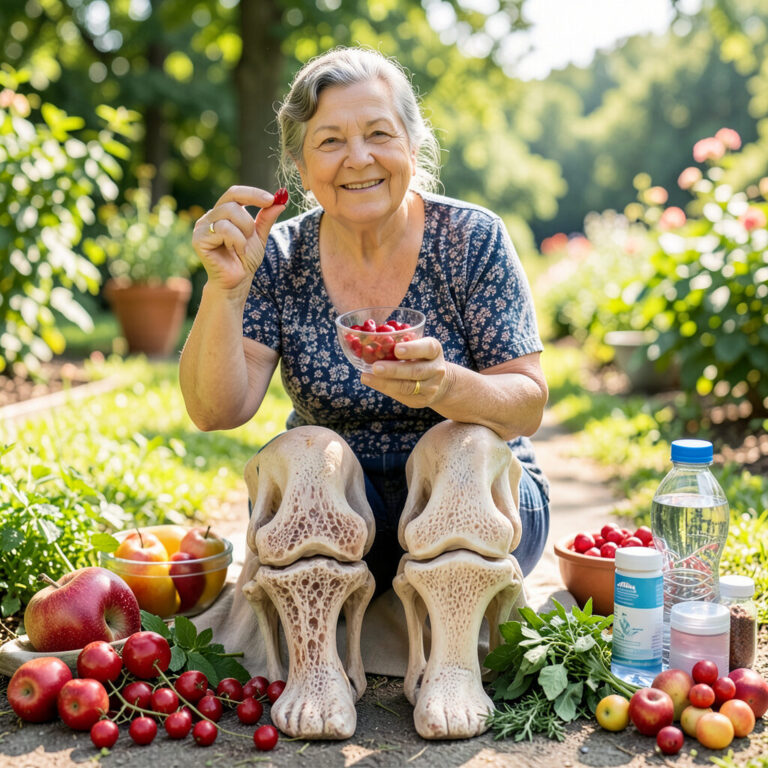
Red berries, such as cranberries, raspberries, and strawberries, are celebrated for their vibrant color and delicious taste, but they also pack a powerful nutritional punch. They are rich in vitamins, minerals, and antioxidants, which are crucial for various bodily functions, including maintaining healthy bones and reducing inflammation. While the clickbait image might suggest an immediate, dramatic transformation, the real benefits of these foods are found in consistent, long-term dietary inclusion.
Key Nutrients in Red Berries for Bone and Joint Support
Vitamin C: Many red berries are excellent sources of Vitamin C, a vital nutrient for collagen production. Collagen is a primary component of bones, cartilage, skin, and connective tissues. Adequate Vitamin C intake is essential for maintaining the integrity of these structures, which can indirectly support joint flexibility and reduce discomfort.
Antioxidants (Polyphenols and Flavonoids): Red berries are loaded with antioxidants, including anthocyanins, which give them their distinctive color. These compounds help combat oxidative stress in the body, a process that can contribute to inflammation and cellular damage. Reducing inflammation is key to managing joint discomfort and supporting overall joint health.
Manganese: Some red berries provide manganese, a trace mineral involved in bone formation and the metabolism of carbohydrates, amino acids, and cholesterol.
Fiber: While not directly related to bone structure, the fiber in berries supports digestive health, which in turn can influence nutrient absorption and overall systemic health.
How Red Berries May Support Healthy Aging
The anti-inflammatory properties of red berries are particularly noteworthy for individuals experiencing age-related leg and bone pain. Chronic inflammation can exacerbate conditions like osteoarthritis, where cartilage breaks down, leading to pain and stiffness. By regularly consuming foods rich in anti-inflammatory compounds, you may help modulate the body’s inflammatory responses.
Furthermore, the collagen-supporting Vitamin C content helps maintain the structural components of joints. Healthy cartilage acts as a cushion between bones, and strong connective tissues ensure joint stability. While berries won’t rebuild severely damaged joints, they can be a valuable part of a diet aimed at preserving existing joint health and potentially alleviating some discomfort.
Beyond Joint Health: Additional Benefits of Red Berries
The health benefits of red berries extend beyond just legs and bones:
Heart Health: Their antioxidant content may contribute to cardiovascular wellness by protecting against oxidative damage and supporting healthy blood pressure.
Cognitive Function: Some research suggests that the flavonoids in berries may support brain health and cognitive function as we age.
Immune Support: The high Vitamin C content also plays a crucial role in bolstering the immune system, helping the body fight off infections.
Blood Sugar Management: Despite their natural sweetness, berries are generally low in glycemic index and high in fiber, which can help manage blood sugar levels.
Incorporating Red Berries into Your Daily Diet
Adding red berries to your diet is simple and delicious. They are versatile and can be enjoyed in many ways:
Fresh or Frozen: Enjoy them as a snack, add them to yogurt or oatmeal.
Smoothies: Blend them into a nutritious smoothie with other fruits and vegetables.
Salads: A handful of berries can add a burst of flavor and nutrients to a fresh salad.
Desserts: Use them in healthy desserts, like a berry compote or baked into whole-grain muffins.
Sauces: Cranberries, in particular, are excellent in sauces for poultry or as a tart addition to savory dishes.
Practical Tips for Maximizing Benefits
Variety is Key: While cranberries are often highlighted, incorporating a range of red berries ensures a broader spectrum of nutrients.
Choose Whole Berries: Opt for whole, fresh or frozen berries over juices, which often contain added sugars and lack fiber.
Consistency: Regular consumption is more likely to yield benefits than sporadic intake. Aim for a serving or two daily.
Important Considerations and Safety Notes
While red berries are generally safe and healthy for most people, it’s important to remember that they are a food, not a medication. They should not be seen as a replacement for prescribed treatments or medical advice, especially for severe or chronic leg and bone pain. If you are experiencing significant pain or mobility issues, it is crucial to consult with a qualified healthcare professional. They can provide an accurate diagnosis and recommend appropriate treatment plans, which may include physical therapy, medication, or other interventions.
Individuals with specific health conditions, such as kidney stones (due to oxalate content in some berries) or those on blood-thinning medications (due to potential Vitamin K in some berries, though generally low), should discuss dietary changes with their doctor. Always prioritize professional medical guidance for health concerns.
Frequently Asked Questions About Red Berries and Leg Health
Q: Can red berries truly reduce leg pain in 48 hours?
A: While red berries offer valuable nutrients that support overall health and may help reduce inflammation over time, expecting a dramatic reduction in leg pain within 48 hours is not realistic. Nutritional benefits accumulate with consistent intake as part of a balanced diet.
Q: Are supplements made from red berries as effective as eating the whole fruit?
A: Eating whole red berries provides a complex array of nutrients, fiber, and beneficial plant compounds that work synergistically. While supplements can concentrate certain compounds, they often lack the full spectrum of benefits found in whole foods. Always consult a healthcare professional before starting any supplement regimen.
Q: What other lifestyle changes can support leg and bone health?
A: Alongside a nutritious diet rich in berries, regular low-impact exercise (like walking, swimming, or cycling), maintaining a healthy weight, adequate Vitamin D and calcium intake, and avoiding smoking are all crucial for supporting strong bones and healthy joints as you age.
Final Thoughts
Embracing a diet rich in vibrant, nutrient-dense foods like red berries is a wonderful step towards supporting your overall health, including the well-being of your legs and bones. While they are not a magical cure for age-related pain, their anti-inflammatory properties and wealth of vitamins and antioxidants make them a valuable addition to a healthy lifestyle. Remember, consistent healthy choices, combined with professional medical advice when needed, are the true keys to feeling your best at any age.
