
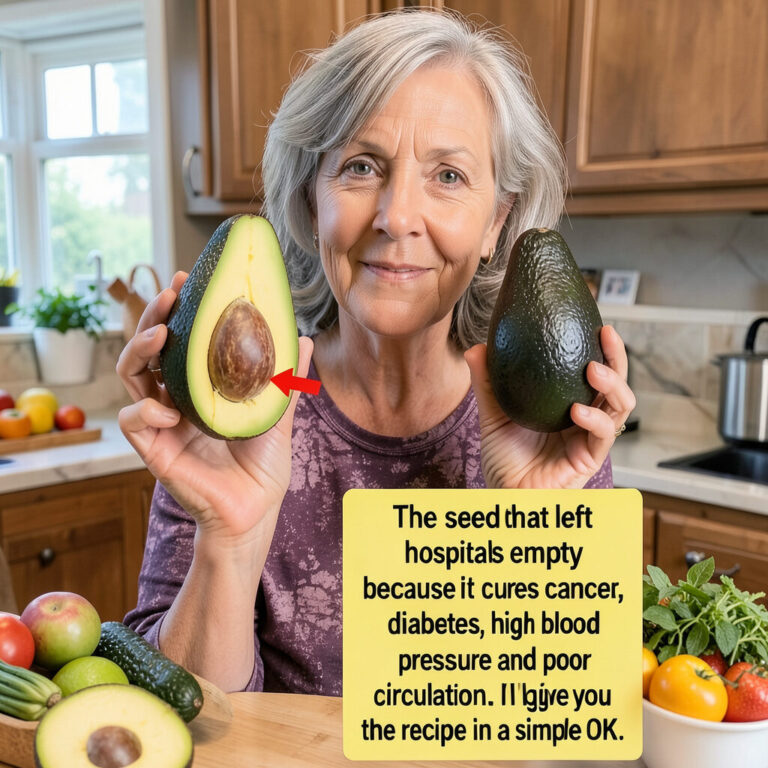
The Avocado Seed: A Closer Look at its Health Potential
Avocados are celebrated for their creamy texture and healthy fats, but what about the large seed at its core? While the flesh of the avocado is a well-known superfood, the avocado seed has recently sparked considerable interest, with many wondering if this often-discarded part holds hidden health benefits. Social media posts sometimes make bold claims about its power to address various health concerns, from circulation issues to more serious conditions.
It’s important to approach such claims with a balanced perspective. While traditional medicine practices in some cultures have utilized avocado seeds for centuries, modern scientific research is still exploring their full potential and safety. This article aims to provide a clear, evidence-based look at what we currently know about avocado seeds, their nutritional components, and how they might fit into a healthy lifestyle.
What Are Avocado Seeds?
The avocado seed, also known as the pit or stone, is the large, hard center of the avocado fruit. It constitutes a significant portion of the avocado’s total weight. Historically, indigenous cultures in Central and South America have used various parts of the avocado tree, including the seed, for their perceived medicinal properties. These traditional uses often involved grinding the seed into a powder for teas, tinctures, or topical applications.
Key Components and Potential Benefits
Research into avocado seeds is ongoing, but initial studies have identified several compounds that may contribute to health:
Antioxidants: Avocado seeds are rich in phenolic compounds, which are potent antioxidants. Antioxidants help protect the body’s cells from damage caused by free radicals, which are linked to aging and various chronic diseases. This antioxidant activity may play a role in supporting overall cellular health and reducing oxidative stress.
Fiber: The seed contains a good amount of dietary fiber. Fiber is crucial for digestive health, promoting regularity, and helping to maintain a healthy gut microbiome. A high-fiber diet is also associated with better blood sugar control and can contribute to feelings of fullness, which may aid in weight management.
Phytonutrients: Avocado seeds contain various phytonutrients, including flavonoids and proanthocyanidins. These plant compounds are being studied for their potential anti-inflammatory and immune-modulating effects.
Healthy Fats: While the flesh is famous for its monounsaturated fats, the seed also contains some fatty acids, although in different proportions.
How Avocado Seeds May Support Wellness
Based on their nutritional profile, avocado seeds may offer several potential wellness benefits:
Supporting Cardiovascular Health
The antioxidants and fiber found in avocado seeds may contribute to heart health. Antioxidants can help reduce oxidative damage to blood vessels, while fiber may help manage cholesterol levels. Some animal studies suggest that avocado seed extracts could help lower LDL (bad) cholesterol and triglycerides, which are risk factors for heart disease. Maintaining healthy blood pressure is also crucial for cardiovascular well-being, and a diet rich in fiber and plant compounds can be a supportive factor.
Aiding Digestive Health
The high fiber content of avocado seeds makes them potentially beneficial for digestion. Adequate fiber intake helps prevent constipation, promotes regular bowel movements, and supports a healthy environment for beneficial gut bacteria. A well-functioning digestive system is fundamental to overall health and nutrient absorption.
Managing Blood Sugar
Dietary fiber is known to help regulate blood sugar levels by slowing down the absorption of sugar into the bloodstream. This effect can be particularly helpful for individuals looking to maintain stable blood glucose. While avocado seeds are not a treatment for diabetes, incorporating fiber-rich foods into a balanced diet is a key strategy for healthy blood sugar management.
Antioxidant Protection
The abundant antioxidants in avocado seeds help combat oxidative stress, which is implicated in the development of many chronic conditions. By neutralizing free radicals, these compounds support cellular integrity and may contribute to healthy aging.
How to Incorporate Avocado Seeds (with Caution)
If you’re curious about using avocado seeds, it’s typically done by drying and grinding them into a fine powder. This powder can then be added in small quantities to smoothies, juices, or used in baking. However, it’s crucial to exercise caution.
Practical Tips for Preparation (if you choose to try it):
Clean the Seed: Wash the avocado seed thoroughly to remove any avocado flesh.
Dry Thoroughly: Pat dry and then allow the seed to air dry for several days, or bake it at a low temperature (around 250°F or 120°C) for about two hours until it’s completely dry and brittle.
Chop and Grind: Once dry, carefully chop the seed into smaller pieces. A strong blender or food processor can then grind these pieces into a fine powder.
Start Small: If adding to smoothies, begin with a very small amount (e.g., a quarter teaspoon) to see how your body reacts.
Important Considerations and Safety Notes
While avocado seeds contain beneficial compounds, it’s vital to be aware of potential concerns:
Tannins: Avocado seeds contain tannins, which can have a bitter taste and may cause digestive upset in some individuals if consumed in large quantities.
Toxicity Concerns: Some sources suggest that avocado seeds may contain persin, a fungicidal toxin that can be harmful to certain animals. While there’s no definitive evidence that persin is toxic to humans in the quantities found in avocado seeds, research is still limited.
Lack of Human Studies: Most research on avocado seed benefits has been conducted in test tubes or on animals. Human studies are scarce, and more research is needed to confirm the efficacy and safety of consuming avocado seeds regularly.
Not a Cure-All: It is critical to understand that avocado seeds are not a cure for serious medical conditions like cancer, diabetes, or high blood pressure. These conditions require professional medical diagnosis and treatment. Relying solely on avocado seeds for such conditions can be dangerous and delay appropriate care.
Consult Your Doctor: If you have any underlying health conditions, are pregnant or breastfeeding, or are taking medications, consult with a qualified healthcare professional before consuming avocado seed powder or any new dietary supplement.
Always prioritize a balanced diet rich in whole foods, regular exercise, and professional medical advice for managing your health.
Frequently Asked Questions About Avocado Seeds
Are avocado seeds safe to eat?
While some cultures traditionally use them, modern scientific research on the safety of consuming avocado seeds in humans is limited. They contain compounds like tannins, and some sources raise concerns about substances like persin. It’s best to proceed with caution and consult a healthcare professional, especially if you have health conditions.
What are the primary benefits of avocado seeds?
Preliminary research suggests avocado seeds are rich in antioxidants and fiber, which may support cardiovascular health, digestive health, and help manage blood sugar. However, more human studies are needed to confirm these benefits.
Can avocado seeds cure diseases like cancer or diabetes?
No, there is no scientific evidence to support claims that avocado seeds can cure cancer, diabetes, high blood pressure, or poor circulation. These are serious medical conditions that require professional medical diagnosis and treatment. Avocado seeds should not be considered a substitute for prescribed medical care.
How do you prepare an avocado seed for consumption?
Typically, the seed is thoroughly washed, dried completely (either air-dried for several days or baked at a low temperature), then chopped and ground into a fine powder. This powder can then be added in very small amounts to smoothies or other foods.
Final Thoughts
The avocado seed holds intriguing potential due to its concentration of antioxidants and fiber. While it’s tempting to view it as a ‘miracle cure’ based on anecdotal claims, a realistic perspective is crucial. The scientific community is still actively investigating its benefits and safety for human consumption. For now, enjoy the delicious and highly nutritious avocado flesh, and approach the use of its seed with informed caution, always prioritizing advice from healthcare professionals for any serious health concerns. A holistic approach to health, focusing on a varied diet, active lifestyle, and appropriate medical care, remains the most effective path to well-being.
