
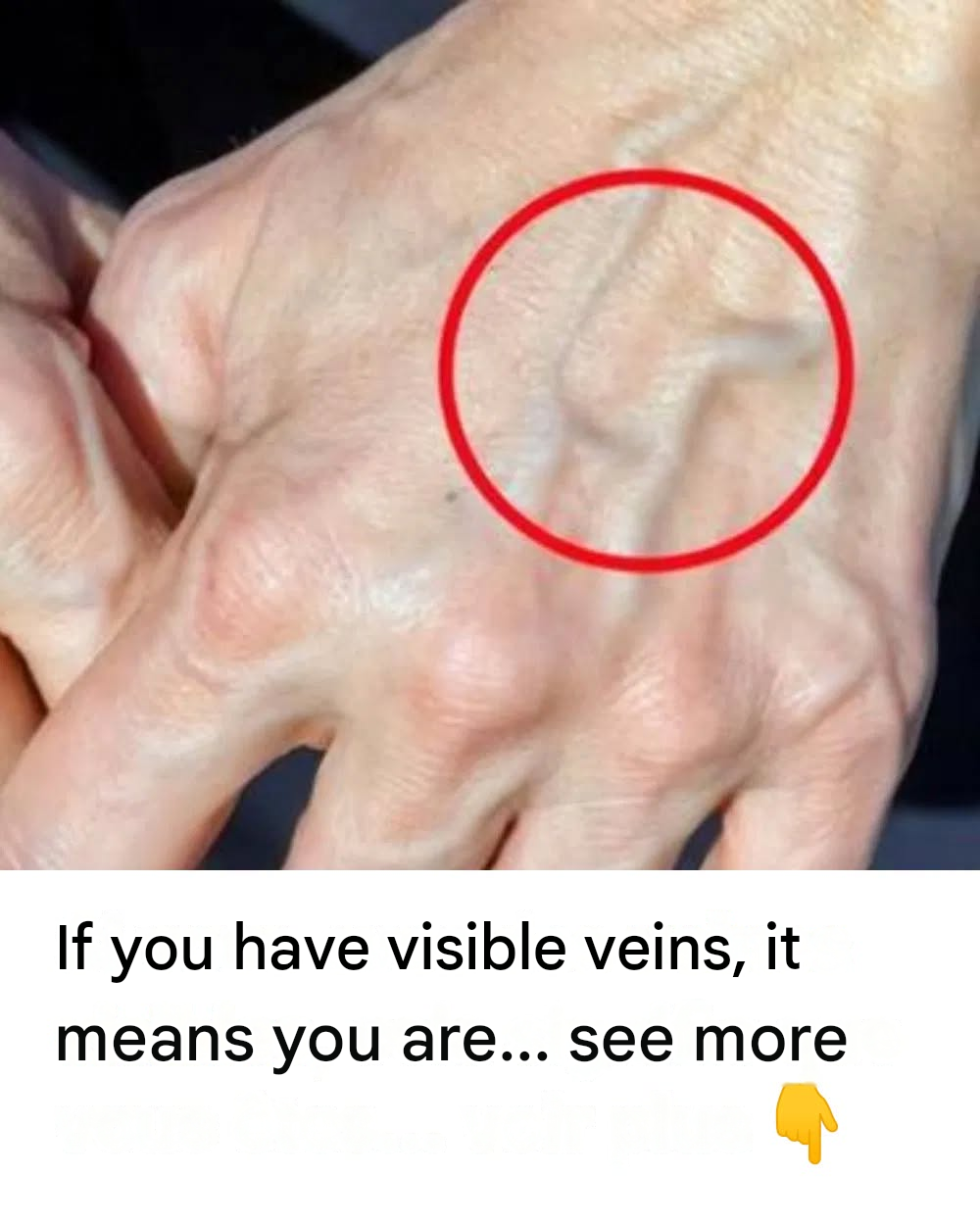
# When to Worry About the Sudden Appearance of Visible Veins
Visible veins are often completely normal. They can become more noticeable with age, exercise, warm weather, weight loss, genetics, or naturally thin skin.
But when veins suddenly become much more prominent—especially if the change affects only one arm or leg, or comes with pain, swelling, redness, warmth, or skin-color changes—it may deserve medical attention.
The important question is not simply, “Can I see my veins?” It is **whether their appearance has changed suddenly and whether other symptoms are present.**
## Why Veins Can Suddenly Look More Visible
Veins sit relatively close to the skin, so anything that changes blood flow, skin thickness, body fat, or vessel size can make them easier to see.
Common, usually harmless reasons include:
* Exercise
* Hot weather
* A hot shower
* Weight loss
* Aging
* Low body fat
* Genetics
* Temporary changes in hydration
* Pregnancy
In these situations, the veins are usually soft, painless, and not surrounded by redness or swelling.
## 1. Exercise Can Make Veins Stand Out
During physical activity, muscles need more blood and oxygen.
Blood vessels widen, and superficial veins may temporarily become larger and more noticeable, particularly in the:
* Hands
* Forearms
* Arms
* Legs
This is common in athletes and people with lower body fat.
If the veins return closer to normal after resting and there is no pain or swelling, the change is usually not concerning.
## 2. Heat Can Make Veins Look Larger
Warm temperatures cause blood vessels near the skin to dilate so the body can release heat.
That is why veins may look more prominent after:
* A hot shower
* Exercise
* Spending time outside in warm weather
* Sitting in a sauna
They often become less noticeable again once the body cools down.
## 3. Aging and Thinner Skin
As skin ages, it gradually becomes thinner and loses some fat and collagen.
This makes veins, tendons, and bones more visible, especially on the hands and forearms.
A gradual increase in vein visibility over years is generally much less concerning than a sudden change over hours or days.
## 4. Weight Loss
Losing body fat reduces the layer of tissue between veins and the skin.
As a result, veins may become more obvious even when circulation is completely normal.
This is especially common after significant weight loss or increased exercise.
## When Visible Veins Become More Concerning
A visible vein becomes more important when its appearance changes suddenly and is accompanied by symptoms.
Pay particular attention to the following situations.
## 5. A Vein Becomes Red, Warm, Tender, or Hard
A superficial vein that suddenly becomes:
* Painful
* Red
* Warm
* Swollen
* Firm or cord-like
may be inflamed.
This can happen with **superficial thrombophlebitis**, which involves inflammation and sometimes a small clot in a superficial vein.
It often affects the legs but can occur elsewhere.
Medical evaluation is advisable because symptoms can resemble other vascular conditions.
## 6. One Leg Suddenly Swells
Sudden swelling in only one leg deserves more attention than symmetrical mild swelling in both ankles.
Symptoms that can occur with a **deep vein thrombosis (DVT)** include:
* One-sided leg swelling
* Calf or thigh pain
* Warmth
* Red or discolored skin
* Tenderness
Not everyone with a DVT has obvious symptoms, and you cannot diagnose one simply by looking at the veins.
A suspected DVT needs prompt medical assessment.
## 7. Sudden Prominent Veins With Chest Pain or Shortness of Breath
This is an emergency situation.
If leg swelling or suspected clot symptoms are followed by:
* Sudden shortness of breath
* Chest pain
* Rapid heartbeat
* Fainting
* Coughing up blood
seek emergency medical care immediately.
These symptoms can occur when a blood clot travels to the lungs, causing a pulmonary embolism.
## 8. Veins Appear With Significant Skin Color Changes
Visible veins accompanied by skin that becomes:
* Blue
* Purple
* Very pale
* Dark red
may indicate a circulation problem, especially when combined with pain, swelling, coldness, or numbness.
This does not always mean a dangerous condition, but sudden color changes should not be ignored.
## 9. Bulging, Twisted Veins in the Legs
Varicose veins are enlarged, twisted superficial veins, usually found in the legs.
They can cause:
* Aching
* Heaviness
* Itching
* Swelling
* Throbbing
* Leg fatigue
Varicose veins are common and often more of a comfort or cosmetic issue than an emergency.
However, medical advice is appropriate if they begin causing significant pain, skin changes, bleeding, ulcers, or repeated inflammation.
## 10. New Veins Around the Abdomen or Chest
Newly visible veins across the abdomen or chest can sometimes occur naturally, especially with low body fat or pregnancy.
However, a sudden network of unusually enlarged veins in these areas may occasionally reflect changes in blood flow deeper inside the body.
If this appears suddenly or is accompanied by abdominal swelling, pain, breathing difficulty, or other unexplained symptoms, it is worth being evaluated.
## 11. Sudden Hand or Arm Swelling
A prominent vein on the hand is usually harmless.
But sudden swelling of one hand or arm together with visible veins can require assessment, especially if there is:
* Pain
* Redness
* Warmth
* Heaviness
* Numbness
Possible causes range from injury and infection to venous obstruction.
## Can Dehydration Make Veins More Visible?
Sometimes.
When you lose fluid, tissues beneath the skin may appear less full, allowing veins to stand out more clearly.
But visible veins alone are not a reliable sign of dehydration.
Better clues include:
* Thirst
* Dry mouth
* Dark urine
* Reduced urination
* Dizziness
## Do Visible Veins Mean High Blood Pressure?
Usually not.
High blood pressure generally does not make superficial veins suddenly bulge.
In fact, hypertension often causes no obvious symptoms at all.
The only reliable way to know your blood pressure is to measure it.
## Do Visible Veins Mean Poor Circulation?
Not necessarily.
Healthy people can have extremely visible veins.
Poor circulation is more likely to cause additional symptoms such as:
* Persistent coldness
* Numbness
* Pain with activity
* Skin discoloration
* Slow-healing wounds
The presence of veins by itself does not diagnose circulation problems.
## Who Has a Higher Risk of Blood Clots?
Extra attention may be appropriate if sudden vein changes occur in someone with risk factors such as:
* Recent surgery
* Prolonged bed rest
* Long-distance travel
* Previous blood clots
* Certain cancers
* Pregnancy or recent childbirth
* Estrogen-containing medications
* Smoking
* Obesity
* Some inherited clotting disorders
Having one risk factor does not mean a clot is present, but it changes how seriously new symptoms should be taken.
## When Should You Make a Routine Appointment?
Consider seeing a healthcare professional if:
* Veins have suddenly become much more prominent without explanation
* Varicose veins are increasingly painful
* Your legs frequently swell
* You have recurring tenderness over a vein
* Skin around veins is becoming darker or irritated
* Symptoms interfere with walking or everyday activities
A clinician may examine the veins and, if necessary, order an ultrasound to evaluate blood flow.
## When Should You Seek Urgent Care?
Seek prompt medical attention for:
* Sudden one-sided leg or arm swelling
* Significant pain and warmth
* A red, hard, tender vein
* Rapidly increasing swelling
* Major skin-color changes
Seek **emergency care** for:
* Sudden shortness of breath
* Chest pain
* Coughing up blood
* Fainting
* Severe breathing difficulty
## Can You Prevent Visible Veins?
Normal visible veins usually do not need prevention.
For general vein health, useful habits include:
* Staying physically active
* Avoiding prolonged sitting when possible
* Moving your legs during long journeys
* Maintaining a comfortable body weight
* Avoiding smoking
* Following medical advice after surgery
* Wearing compression stockings when specifically recommended
## The Bottom Line
Visible veins are usually harmless, especially when they appear gradually because of **aging, exercise, heat, genetics, weight loss, or naturally thin skin**.
The signs that deserve more attention are a **sudden change accompanied by pain, redness, warmth, hardness, one-sided swelling, significant discoloration, or breathing symptoms**.
A vein that simply becomes more visible is usually not an emergency.
A vein that suddenly becomes **painful, swollen, hot, hard, or associated with chest pain or shortness of breath** is a very different situation and should be medically assessed promptly.
