
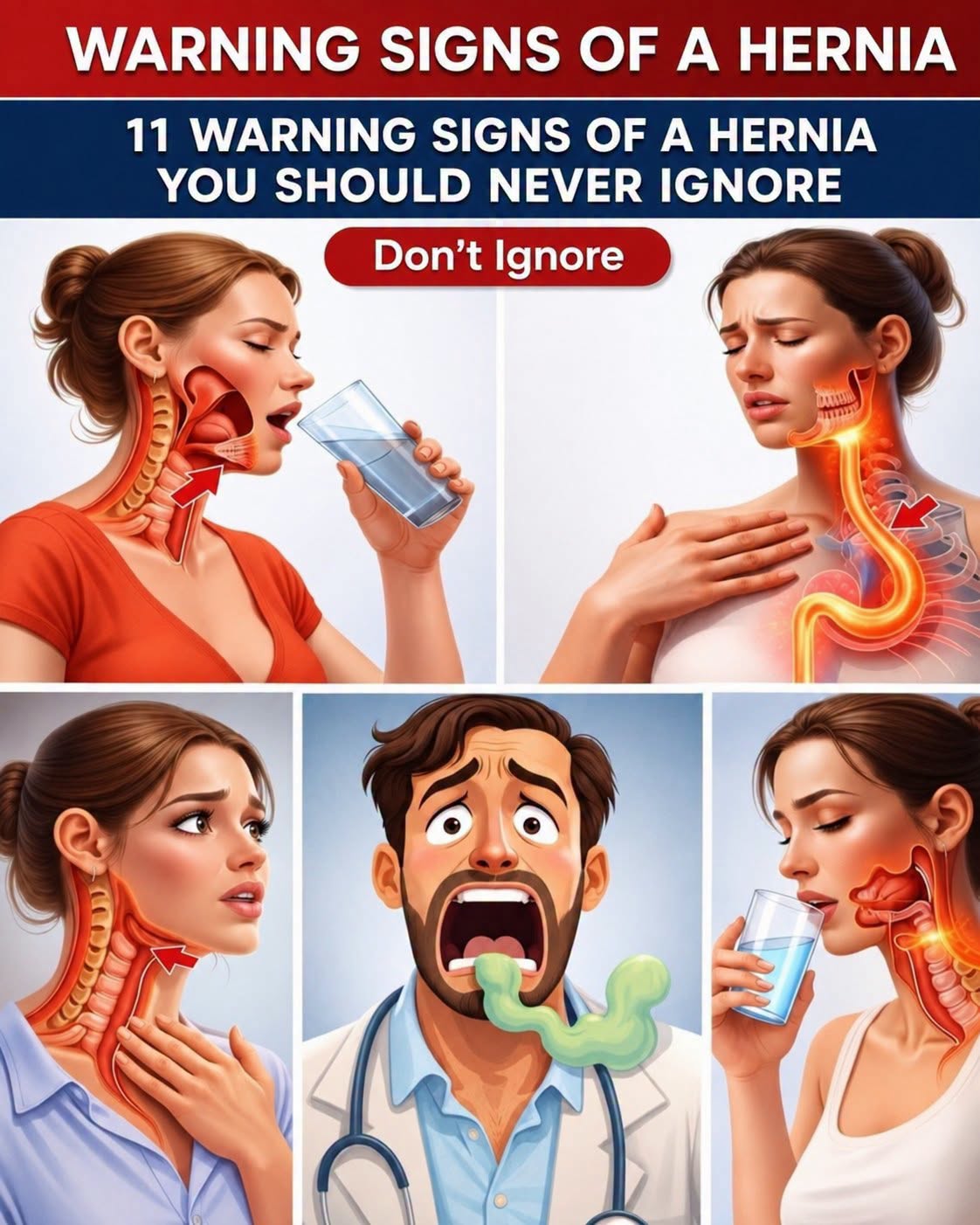
 Could Your “Heartburn” Be Something More?
Imagine finishing a meal only to feel a burning sensation creeping up your chest, or noticing food unexpectedly coming back into your throat. Many people dismiss these experiences as simple indigestion or stress, especially as they become more common with age.
However, these symptoms may sometimes be associated with a hiatal hernia, a condition in which part of the stomach moves upward through the diaphragm into the chest cavity. Small hiatal hernias often cause no symptoms, but larger ones may contribute to acid reflux and ongoing digestive discomfort.
For many adults over 45, these warning signs develop gradually and blend into everyday life. Recognizing them early may help you seek appropriate medical evaluation and find relief sooner.
Below are 10 common signs and symptoms of a hiatal hernia, based on information from trusted medical organizations such as the Mayo Clinic and Cleveland Clinic.
Why Hiatal Hernia Symptoms Are Often Overlooked
Many hiatal hernias are discovered accidentally during imaging or endoscopy performed for unrelated reasons.
When symptoms do appear, they’re commonly related to gastroesophageal reflux disease (GERD) because stomach acid is more likely to flow back into the esophagus.
Several factors may increase the likelihood of developing a hiatal hernia, including:
Getting older
Excess body weight
Smoking
Frequent heavy lifting
Increased abdominal pressure
If you’ve been experiencing recurring reflux symptoms, it’s worth paying attention to the pattern rather than assuming it’s simply part of aging.
10. Frequent Heartburn
One of the most common symptoms is a burning sensation behind the breastbone, especially after:
Eating large meals
Bending over
Lying down
Eating spicy or fatty foods
Heartburn associated with reflux may become worse at night and interfere with sleep.
9. Food or Sour Liquid Coming Back Up (Regurgitation)
Regurgitation occurs when stomach contents flow back into the throat or mouth.
Promoted Content
You might notice:
A sour or bitter taste
Food returning after meals
An unpleasant sensation without vomiting
This often accompanies acid reflux.
8. Difficulty Swallowing (Dysphagia)
X
Some people notice that food seems to move slowly or feels stuck while swallowing.
Possible signs include:
Difficulty swallowing solid foods
Pain while swallowing
Feeling that food is “stuck” in the chest
Long-term acid irritation can sometimes contribute to inflammation or narrowing of the esophagus.
7. Chest or Upper Abdominal Discomfort
Hiatal hernias may sometimes cause:
Pressure in the chest
Upper abdominal discomfort
Pain after meals
Because chest pain has many possible causes—including heart disease—it should never be ignored, especially if it is sudden, severe, or accompanied by shortness of breath, sweating, or pain radiating to the arm or jaw.
6. Feeling Full Very Quickly
Some individuals report becoming full after eating only a small amount.
This early fullness may be accompanied by:
Bloating
Loss of appetite
Reduced meal size
Discomfort after eating
5. Shortness of Breath
Larger hiatal hernias may occasionally contribute to breathing discomfort.
Some people notice:
Breathlessness while lying flat
Difficulty exercising
Feeling unable to take a deep breath
Because many conditions can cause shortness of breath, persistent or unexplained symptoms deserve medical evaluation.
Promoted Content
4. Nausea, Excessive Belching, or Bloating
Digestive symptoms may include:
Frequent burping
Stomach bloating
Nausea
Feeling overly gassy after meals
These symptoms often occur alongside reflux.
3. Chronic Cough or Hoarse Voice
Stomach acid that repeatedly reaches the throat can irritate nearby tissues.
Some people experience:
Persistent dry cough
Hoarseness
Frequent throat clearing
Chronic sore throat
These are sometimes called extra-esophageal reflux symptoms.
2. Fatigue or Iron-Deficiency Anemia
Although less common, some larger hiatal hernias may cause slow, chronic bleeding that eventually leads to iron-deficiency anemia.
Possible warning signs include:
Ongoing fatigue
Low energy
Pale skin
Shortness of breath with activity
Persistent fatigue should always be discussed with a healthcare professional.
1. Several Symptoms Occurring Together
Many people don’t experience just one symptom.
Instead, they notice a combination such as:
Heartburn
Regurgitation
Difficulty swallowing
Chest discomfort
Chronic cough
Early fullness
A recurring pattern that gradually worsens over time is often more meaningful than any single symptom alone.
Symptom Overview
Symptom Common Trigger Possible Reason When to Seek Medical Advice
Heartburn After meals, lying down Acid reflux Frequent or severe episodes
Regurgitation After eating or bending Stomach contents moving upward Persistent symptoms
Difficulty swallowing During meals Esophageal irritation Food feels stuck
Chest discomfort Often after eating Reflux or pressure Especially if severe or unexplained
Early fullness Small meals Reduced stomach capacity Interferes with eating
Shortness of breath Activity or lying flat Larger hernia effects Unexplained breathing difficulty
Nausea or bloating After meals Trapped gas and reflux Ongoing discomfort
Chronic cough Throughout the day Acid irritation Persistent symptoms
Fatigue Long-term Possible anemia Unexplained tiredness
Multiple symptoms Ongoing pattern Combination of reflux-related issues Medical evaluation recommended
What To Do If These Symptoms Sound Familiar
Because these symptoms can overlap with GERD, stomach ulcers, gallbladder disease, heart conditions, and other digestive disorders, it’s important not to self-diagnose.
A healthcare provider may recommend tests such as:
Upper endoscopy
Barium swallow study
Esophageal pH monitoring
Esophageal manometry (in some cases)
These evaluations help determine the underlying cause and guide appropriate treatment.
Lifestyle Habits That May Help Reduce Reflux Symptoms
While lifestyle changes cannot eliminate every hiatal hernia, many people find symptom relief by:
Eating smaller meals
Avoiding lying down for 2–3 hours after eating
Sleeping with the head of the bed elevated
Maintaining a healthy weight
Limiting foods that trigger reflux if they consistently worsen symptoms
Quitting smoking if applicable
Avoiding tight clothing around the abdomen
These measures are commonly recommended alongside professional medical care.
When to Seek Immediate Medical Attention
Seek emergency care right away if you experience:
Severe or crushing chest pain
Vomiting blood
Black, tarry stools
Severe difficulty swallowing
Persistent vomiting
Sudden severe abdominal pain
Difficulty breathing that is worsening
These symptoms may indicate a medical emergency requiring prompt evaluation.
Listen to What Your Body Is Telling You
Hiatal hernia symptoms often develop gradually and may be mistaken for everyday indigestion. However, persistent heartburn, regurgitation, difficulty swallowing, chest discomfort, chronic cough, early fullness, or unexplained fatigue deserve attention—particularly when they occur together.
Keeping track of your symptoms and discussing them with a healthcare professional can help identify the underlying cause and determine the most appropriate treatment.
Sometimes, a few simple lifestyle adjustments combined with proper medical guidance can make a meaningful difference in daily comfort.
Disclaimer
This article is intended for educational and informational purposes only. It is not a substitute for professional medical advice, diagnosis, or treatment. Always consult a qualified healthcare provider regarding persistent digestive symptoms, chest pain, difficulty swallowing, or any concerns about your health.
