
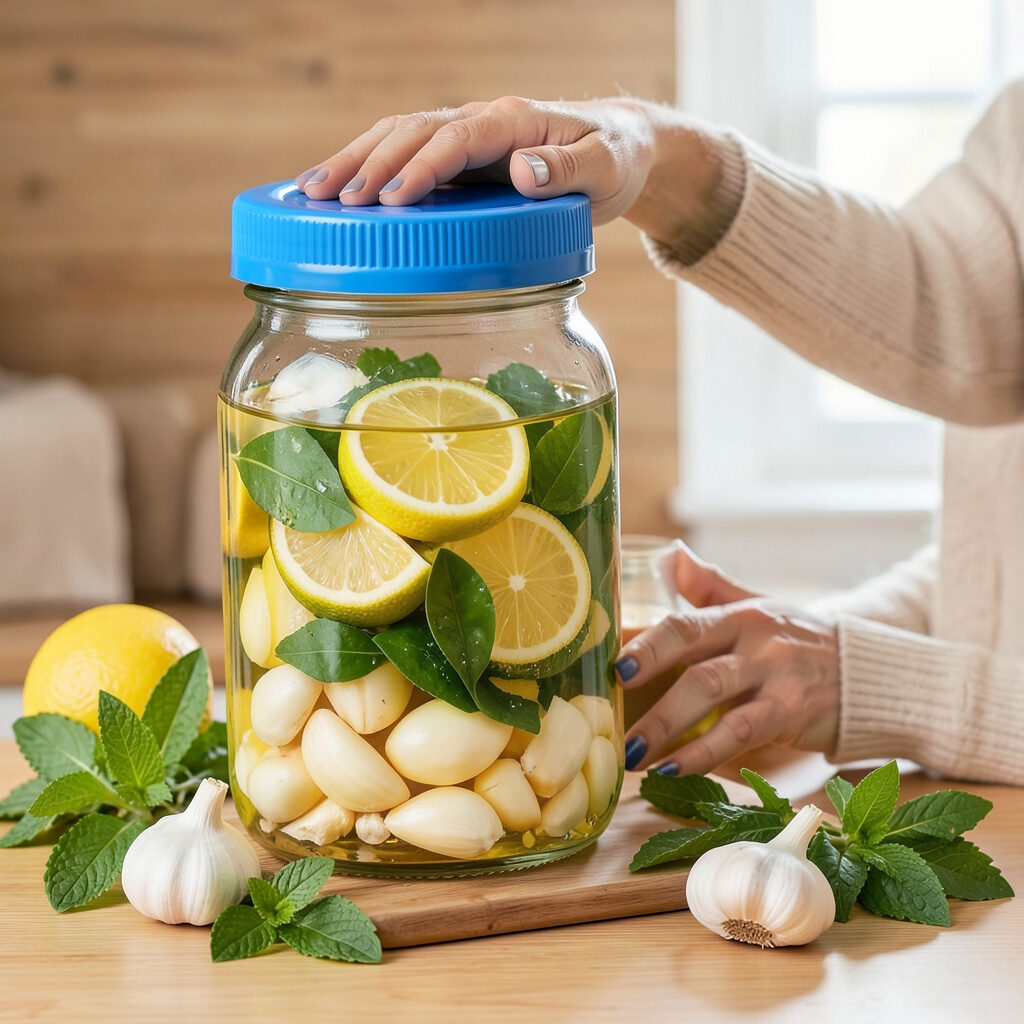
The Allure of Preserved Lemons and Garlic in Wellness
In the world of natural remedies and traditional foods, preserved lemons and garlic are gaining recognition not just for their distinctive flavors but also for their potential health and wellness contributions. Often seen in various culinary traditions, these fermented ingredients offer more than just a tangy, aromatic kick to your dishes. They represent an age-old method of food preservation that can bring unique nutritional aspects to your diet.
While some online claims might exaggerate the direct impact of such remedies on specific conditions like vision restoration, it’s worth exploring the genuine benefits that these ingredients, particularly when preserved, can offer as part of a balanced and healthy lifestyle. This article delves into the nutritional profile, potential health advantages, and practical uses of preserved lemons and garlic, helping you understand how they can fit into your wellness journey.
What Are Preserved Lemons and Garlic?
Preserved lemons are a staple in North African and Middle Eastern cuisine, made by quartering or slicing lemons and curing them in salt and their own juice. Over several weeks, the salt breaks down the lemon’s rind, softening it and intensifying its flavor. The entire lemon, including the peel, becomes edible and deeply aromatic.
Similarly, preserved garlic often involves cloves submerged in oil, vinegar, or a brine solution. This process mellows the pungent raw garlic flavor, making it sweeter and more palatable while still retaining many of its beneficial compounds. Both methods of preservation not only extend the shelf life of these ingredients but also transform their texture and taste, creating complex flavor profiles that are highly prized in cooking.
Nutritional Profile and Key Components
Both lemons and garlic are renowned for their nutritional value even before preservation. When preserved, some of these qualities are maintained, and new ones may even emerge due to the fermentation process.
Lemons: Rich in Vitamin C, antioxidants, and dietary fiber, lemons are known for their immune-boosting properties and their role in skin health. The rind, which is consumed in preserved lemons, contains beneficial essential oils and compounds like limonene.
Garlic: A powerhouse of sulfur-containing compounds (like allicin), garlic is celebrated for its potential cardiovascular benefits, immune support, and anti-inflammatory properties. It also contains manganese, Vitamin B6, Vitamin C, and selenium.
The fermentation in preserved foods can also introduce probiotics, which are beneficial bacteria that support gut health. A healthy gut microbiome is increasingly linked to overall well-being, including immune function and nutrient absorption.
How Preserved Lemons and Garlic May Support Health
While no single food can be a miracle cure or restore vision to 100%, incorporating nutrient-rich ingredients like preserved lemons and garlic into your diet can contribute to overall health in several ways:
Digestive Health
The fermentation process involved in preserving these ingredients can encourage the growth of beneficial bacteria. These probiotics may aid digestion, improve nutrient absorption, and contribute to a balanced gut microbiome. A healthy digestive system is foundational for overall wellness.
Immune System Support
Lemons are well-known for their high Vitamin C content, an essential antioxidant that supports the immune system. Garlic’s sulfur compounds also play a role in immune function. Regular consumption of these ingredients can help fortify your body’s natural defenses.
Antioxidant Properties
Both lemons and garlic are packed with antioxidants that help combat oxidative stress in the body. Oxidative stress can contribute to cellular damage and various chronic conditions. By neutralizing free radicals, antioxidants contribute to cellular health and may support healthy aging.
Cardiovascular Wellness
Garlic, in particular, has been extensively studied for its potential benefits to heart health, including its ability to help maintain healthy blood pressure and cholesterol levels already within a normal range. While preserved, some of these compounds remain active, making it a valuable addition to a heart-healthy diet.
Anti-inflammatory Effects
Chronic inflammation is a root cause of many health issues. Both lemons and garlic contain compounds with anti-inflammatory properties, which may help reduce inflammation throughout the body.
Incorporating Preserved Lemons and Garlic into Your Diet
Beyond their potential health benefits, preserved lemons and garlic are incredibly versatile in the kitchen. They can elevate a wide range of dishes with their unique savory, tangy, and umami notes.
Salads: Finely chop preserved lemon rind or garlic cloves and add to salad dressings or directly into green salads for a burst of flavor.
Marinades: Use the liquid from preserved lemons or mashed preserved garlic in marinades for poultry, fish, or vegetables.
Sauces and Dips: Blend into hummus, yogurt dips, or pasta sauces.
Roasted Vegetables: Toss with roasted vegetables like potatoes, carrots, or Brussels sprouts.
Grains and Legumes: Stir into couscous, quinoa, lentil dishes, or rice for added depth.
Soups and Stews: A small amount can add brightness and complexity to warming dishes.
Important Considerations and Safety Notes
While generally safe for consumption, there are a few points to keep in mind:
Sodium Content: Preserved lemons are high in sodium due to the curing process. Individuals monitoring their sodium intake should consume them in moderation.
Allergies: If you have allergies to citrus or garlic, avoid these ingredients.
Botulism Risk (for oil-preserved garlic): If preserving garlic in oil at home, it’s crucial to follow proper food safety guidelines to prevent the risk of botulism. Always refrigerate and use within a short period, or acidify properly. Commercial products are typically safe.
Individual Health: As with any dietary change or natural remedy, if you have underlying health conditions, are pregnant, or are taking medications, consult with a qualified healthcare professional before making significant changes to your diet.
Remember, these ingredients are best viewed as part of a holistic approach to wellness, complementing a balanced diet and healthy lifestyle, rather than as a standalone cure for specific ailments.
Frequently Asked Questions About Preserved Lemons and Garlic
Q1: Can preserved lemons and garlic really improve my eyesight?
A1: While a diet rich in fruits, vegetables, and antioxidants is beneficial for overall eye health, there is no scientific evidence to suggest that preserved lemons or garlic can directly restore vision or cure eye conditions. They can be part of a healthy diet that supports general well-being, which indirectly benefits all body systems, including the eyes.
Q2: Are preserved lemons and garlic considered fermented foods?
A2: Yes, preserved lemons are fermented with salt, and garlic can also be fermented in various brines or vinegars. This fermentation process can contribute to the development of beneficial bacteria, making them a good addition to a gut-healthy diet.
Q3: How long do preserved lemons and garlic last?
A3: Properly made preserved lemons can last for several months, or even up to a year, in the refrigerator. Garlic preserved in oil should be consumed within a few weeks if homemade and refrigerated, due to botulism concerns. Always check for signs of spoilage like mold or off-odors.
Q4: Can I make preserved lemons and garlic at home?
A4: Yes, both can be made at home. For preserved lemons, you’ll need lemons, salt, and a clean jar. For garlic, you can preserve it in olive oil or a vinegar solution. Always ensure proper sanitation and follow reputable recipes to ensure food safety, especially when preserving in oil.
Final Thoughts
Preserved lemons and garlic offer a delightful way to add complex flavors and potential health benefits to your meals. From supporting digestive health to providing valuable antioxidants, these traditional ingredients can play a role in a vibrant and healthy diet. While it’s important to approach exaggerated claims with skepticism, embracing the genuine nutritional contributions of such foods is a smart step towards holistic wellness. Enjoy exploring their culinary versatility and the subtle ways they can enhance your health from within.
