
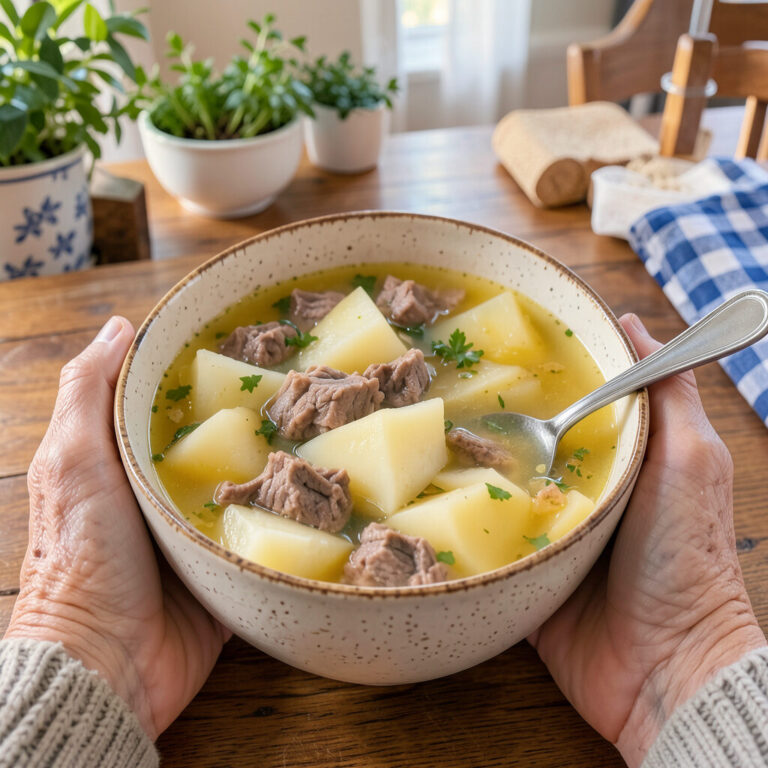
The Comforting Appeal of Meat and Potato Soup
In the world of health and wellness, sometimes the simplest dishes hold the most profound comfort and nutritional value. Meat and potato soup, a classic and hearty meal, is a prime example. While it might not offer a miraculous cure for burning knee joints in an hour, as some sensationalized claims might suggest, it certainly provides a wholesome blend of ingredients that can support overall health and contribute to a balanced diet. This article explores the genuine benefits of incorporating a nourishing meat and potato soup into your wellness routine, focusing on its nutritional components and how it can be a delicious part of a healthy lifestyle.
Forget the exaggerated promises; let’s delve into the real reasons why a bowl of this rustic soup can be a valuable addition to your table, supporting your body with essential nutrients and warmth, especially during colder months or when you’re seeking a comforting meal.
What Makes Meat and Potato Soup a Wholesome Choice?
Meat and potato soup is fundamentally a blend of protein, carbohydrates, and often a variety of vegetables, all simmered together to create a flavorful and nutrient-dense broth. The core components each bring their own set of benefits:
Meat (e.g., beef, lamb, chicken): Provides high-quality protein, essential for muscle repair and growth, enzyme production, and overall bodily functions. It also offers vital micronutrients like iron, zinc, and B vitamins, which are crucial for energy metabolism and immune health.
Potatoes: A source of complex carbohydrates, offering sustained energy. Potatoes also contain vitamin C, potassium, and dietary fiber, contributing to heart health and digestive regularity.
Broth: Often made from bones or vegetables, broth can be rich in minerals and, if bone-based, may contain collagen, which is sometimes associated with joint health support.
Vegetables (optional, but recommended): Adding ingredients like carrots, celery, onions, or peas significantly boosts the soup’s vitamin, mineral, and antioxidant content, further enhancing its nutritional profile.
Together, these ingredients create a meal that is both satisfying and packed with nutrients, making it an excellent choice for a balanced diet.
Nutritional Benefits of a Hearty Bowl
When prepared with lean meats and plenty of vegetables, meat and potato soup can be a powerhouse of nutrition:
Protein Power: The meat ensures a good intake of protein, vital for maintaining muscle mass, especially as we age. Protein also plays a role in satiety, helping you feel fuller for longer.
Sustained Energy: Potatoes provide complex carbohydrates that release energy slowly, preventing sudden sugar spikes and providing a steady fuel source for your daily activities.
Vitamins and Minerals: Depending on the ingredients, the soup can be a good source of vitamin C (from potatoes and some vegetables), B vitamins (from meat), iron, zinc, and potassium. These nutrients are essential for everything from immune function to nerve health.
Hydration: Soups are excellent for hydration, as they are primarily liquid. Staying well-hydrated is crucial for all bodily functions, including joint lubrication and nutrient transport.
Fiber Content: Especially when including the skin of potatoes and various vegetables, the soup can contribute to your daily fiber intake, supporting digestive health.
It’s important to remember that while a healthy diet supports overall well-being, including joint health, no single food can miraculously reverse significant health conditions or provide instant pain relief. For persistent joint pain, consulting a healthcare professional is always recommended.
Incorporating Meat and Potato Soup into Your Healthy Lifestyle
Making a wholesome meat and potato soup is straightforward and allows for customization to fit various dietary needs and preferences. Here are some tips for making it a health-conscious choice:
Choose Lean Meats: Opt for lean cuts of beef, skinless chicken, or turkey to reduce saturated fat content.
Load Up on Vegetables: Don’t limit yourself to just potatoes. Add a colorful array of vegetables like carrots, celery, peas, green beans, spinach, or kale to boost nutrient density.
Control Sodium: Use low-sodium broth and season with herbs and spices instead of excessive salt to manage sodium intake, which is beneficial for heart health.
Mind Your Portions: While healthy, it’s still possible to overconsume calories. Be mindful of portion sizes, especially if you’re managing weight.
Homemade is Best: Preparing your soup at home gives you full control over the ingredients, allowing you to avoid artificial additives and excessive preservatives often found in canned versions.
This comforting meal can be a regular feature in a balanced eating plan, especially as part of a healthy diet focused on whole, unprocessed foods.
Important Considerations for Joint Health
While meat and potato soup is nutritious, it’s crucial to understand that managing joint pain and promoting joint health involves a multi-faceted approach. Diet is a component, but it works in conjunction with other factors:
Balanced Nutrition: An overall diet rich in anti-inflammatory foods, omega-3 fatty acids, vitamins (like D and C), and minerals (like calcium) is key.
Regular Exercise: Low-impact exercises, strengthening exercises, and flexibility routines can significantly help maintain joint mobility and reduce pain.
Weight Management: Maintaining a healthy weight reduces stress on weight-bearing joints like the knees.
Professional Medical Advice: For chronic or severe joint pain, consulting a doctor or a physical therapist is essential for proper diagnosis and treatment. They can provide personalized advice, which may include specific exercises, medications, or other therapies.
No food, including a delicious bowl of meat and potato soup, can replace the advice and treatment provided by qualified healthcare professionals for serious conditions. Always prioritize evidence-based medical care for health concerns.
Final Thoughts on Comfort and Wellness
Meat and potato soup embodies the essence of comfort food that can also be genuinely good for you. It’s a testament to how simple, traditional meals can provide significant nutritional benefits and contribute to a feeling of overall wellness. While it doesn’t promise instant pain relief or magical cures, it offers a warm, satisfying, and nutrient-rich option that can support your body’s needs as part of a comprehensive healthy lifestyle. So, next time you’re looking for a wholesome and hearty meal, consider a bowl of this classic soup – a true staple for everyday well-being.
