
Understanding Eye Health: Beyond Quick Fixes
In the age of viral trends and instant solutions, it’s easy to be drawn to claims of quick fixes for complex health issues. Recently, a “pink powder” has garnered attention, with some suggesting it can miraculously clear cloudy cataracts and improve vision. While the allure of a simple nightly spoonful is strong, it’s crucial to approach such claims with a critical and informed perspective, especially when it comes to something as vital as your eyesight.
Maintaining good eye health is a lifelong endeavor that involves proper nutrition, regular check-ups, and understanding the real science behind common vision problems. This article aims to shed light on how to genuinely support your eye health and navigate the often-misleading world of health claims.
What is this “Pink Powder” Phenomenon?
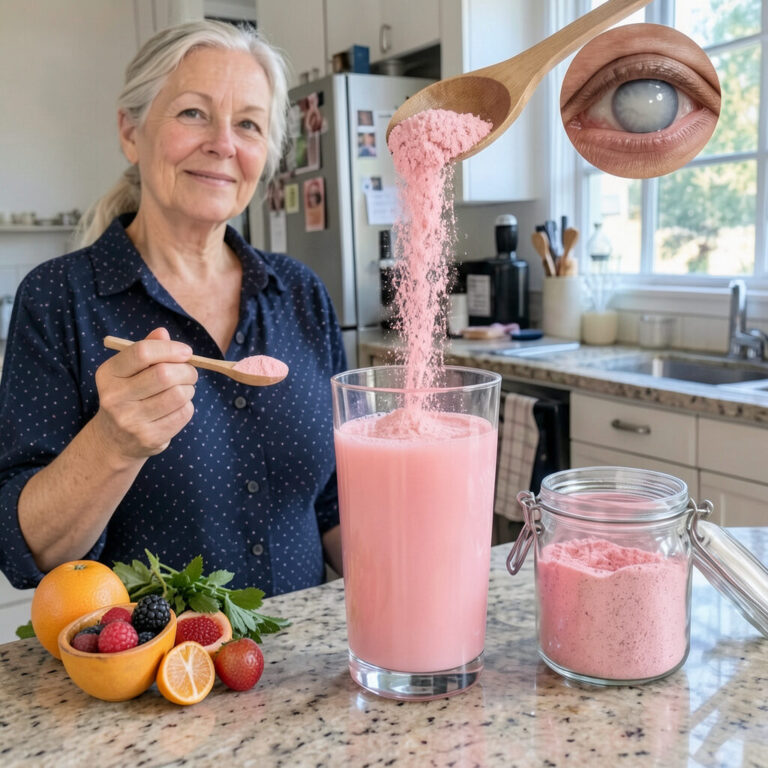
The visual of an older woman mixing a pink powder into a drink, alongside dramatic “before and after” images of eyes, suggests a product marketed for significant vision improvement, particularly concerning cataracts. These types of visual narratives often promise rapid, almost unbelievable results, like clearing cloudy lenses in mere minutes. While the exact composition of such a “pink powder” is usually vague in these promotions, they typically hint at a blend of vitamins, minerals, or proprietary compounds designed to target specific health issues.
It’s important to understand that legitimate medical treatments for conditions like cataracts involve well-documented procedures and therapies, not unverified powders promising instant cures. The human eye is an intricate organ, and its health is influenced by a multitude of factors, from genetics to lifestyle.
The Reality of Cataracts and Vision Impairment
Cataracts are a common age-related eye condition where the natural lens of the eye becomes cloudy, leading to blurred vision, difficulty seeing at night, and increased sensitivity to glare. They develop slowly over time and are a leading cause of blindness worldwide. The only effective treatment for cataracts is surgical removal of the clouded lens and replacement with an artificial one. This is a safe and common procedure, but it is a medical intervention, not something that can be achieved by ingesting a powder.
Other forms of vision impairment can stem from conditions like glaucoma, macular degeneration, diabetic retinopathy, and simple refractive errors. Each of these has its own causes, progression, and recommended treatments, none of which involve a magical pink powder.
Key Nutrients for Eye Health
While a “pink powder” might not be the answer, nutrition plays a significant role in supporting overall eye health and potentially reducing the risk of certain eye conditions. A diet rich in specific vitamins, minerals, and antioxidants can be beneficial:
Vitamin A: Crucial for good vision, especially in low light. Found in carrots, sweet potatoes, spinach, and dairy products.
Vitamin C: An antioxidant that may help protect against UV damage and reduce the risk of cataracts and macular degeneration. Found in citrus fruits, bell peppers, and broccoli.
Vitamin E: Another powerful antioxidant that may help protect eye cells from damage. Found in nuts, seeds, and leafy green vegetables.
Lutein and Zeaxanthin: Carotenoids concentrated in the macula, which help filter harmful blue light and may protect against age-related macular degeneration (AMD). Found in leafy greens like kale and spinach, and egg yolks.
Omega-3 Fatty Acids: May help with dry eyes and support retinal health. Found in fatty fish like salmon, flaxseeds, and walnuts.
Zinc: Helps transport Vitamin A from the liver to the retina to produce melanin, a protective pigment in the eyes. Found in meat, shellfish, legumes, and nuts.
Incorporating these nutrients through a balanced diet is a proactive step for eye wellness, but it’s not a substitute for professional medical care.
How to Truly Support Your Vision and Eye Health
Instead of seeking unproven remedies, focus on established practices for maintaining healthy vision:
Regular Comprehensive Eye Exams: These are vital for detecting eye conditions early, often before symptoms are noticeable. An ophthalmologist or optometrist can provide accurate diagnoses and recommend appropriate treatments.
Eat a Balanced Diet: As mentioned, a diet rich in fruits, vegetables, and omega-3s supports eye health.
Protect Your Eyes from UV Light: Wear sunglasses that block 99-100% of both UVA and UVB radiation when outdoors.
Manage Chronic Conditions: Diseases like diabetes and high blood pressure can significantly impact eye health. Managing these conditions is crucial for preventing related eye problems.
Avoid Smoking: Smoking increases the risk of developing cataracts, macular degeneration, and optic nerve damage.
Give Your Eyes a Break: If you spend a lot of time in front of a computer screen, follow the 20-20-20 rule: every 20 minutes, look at something 20 feet away for 20 seconds.
Maintain a Healthy Weight: Obesity can increase the risk of diabetes and other systemic diseases that can lead to vision loss.
Important Considerations and Safety Notes
It’s crucial to be wary of any product that promises a quick, miraculous cure for serious medical conditions like cataracts, especially if it claims to do so without professional medical intervention. Such claims are often not supported by scientific evidence and can delay appropriate treatment, potentially leading to worse outcomes.
Always consult with a qualified healthcare professional, such as an ophthalmologist or optometrist, for any concerns regarding your eye health. They can provide accurate diagnoses, discuss evidence-based treatment options, and offer personalized advice tailored to your specific needs.
Frequently Asked Questions About Eye Health
Can diet alone cure cataracts?
No, while a healthy diet can support eye health and may help prevent the progression of some conditions, it cannot cure existing cataracts. Cataract removal requires surgery.
Are eye supplements effective for improving vision?
Some supplements containing specific nutrients like lutein, zeaxanthin, and omega-3s have shown benefits in slowing the progression of certain age-related eye diseases, such as AMD. However, they are not a cure for vision problems and should be discussed with a healthcare provider.
How often should I get my eyes checked?
The frequency of eye exams depends on your age, risk factors, and overall health. Adults should generally have a comprehensive eye exam every one to two years, while those with existing conditions or risk factors may need more frequent checks.
What are the warning signs of serious eye problems?
Sudden changes in vision, flashing lights, floaters, eye pain, redness, or discharge are all signs that warrant immediate medical attention from an eye care professional.
Final Thoughts
While the idea of a simple “pink powder” offering an instant solution to vision problems is appealing, it’s essential to prioritize evidence-based approaches to health. True eye health is cultivated through a combination of a nutritious diet, protective measures, and regular professional care. Don’t let misleading claims deter you from seeking the proper medical guidance for your precious eyesight.
