
# 8 Symptoms of a Pancreas Not Working Well and What to Do About It
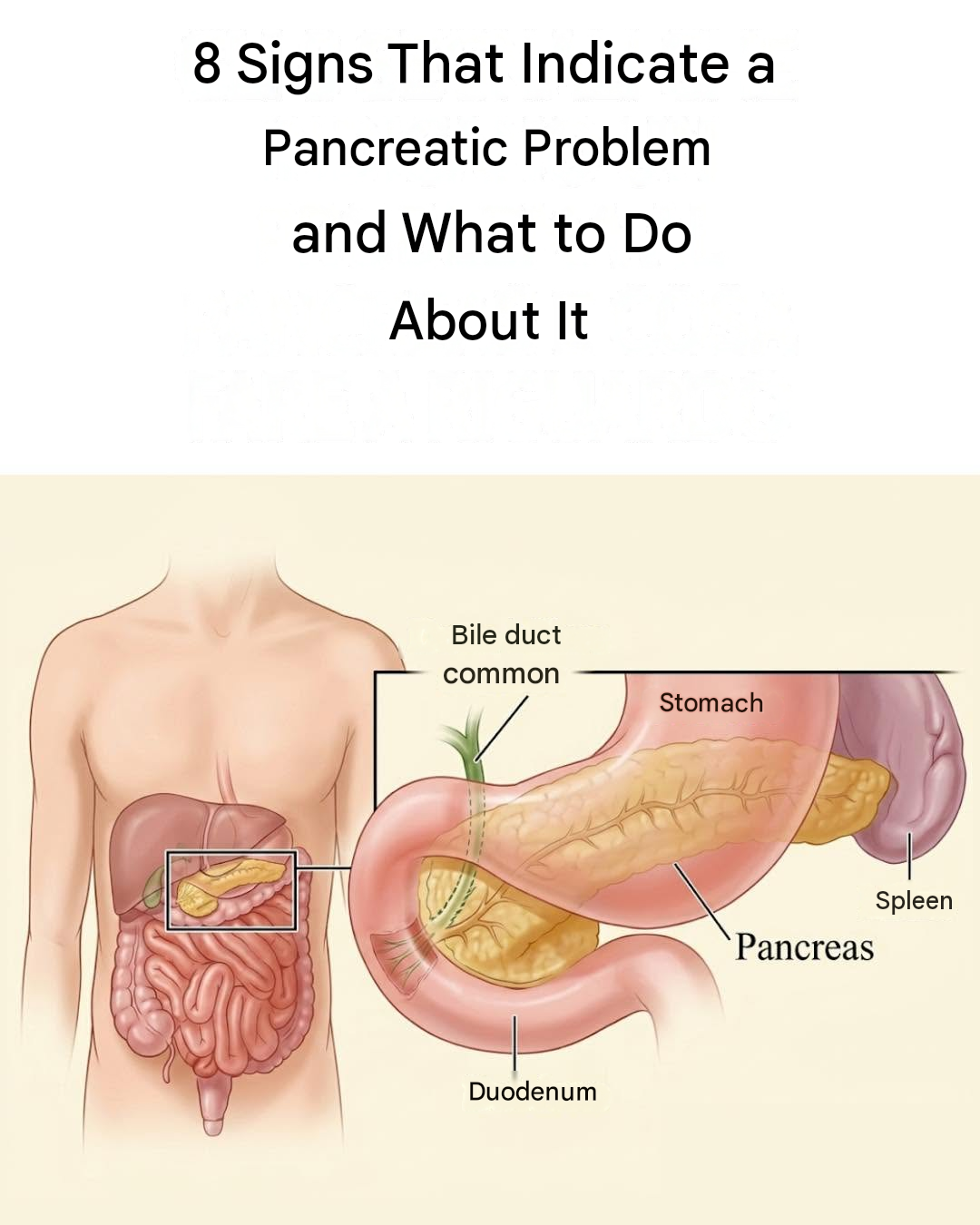
The pancreas is a small organ with several important jobs. It produces digestive enzymes that help break down food and hormones such as insulin that help regulate blood sugar.
When the pancreas is not working properly, symptoms can vary depending on the cause. Problems may involve inflammation, reduced enzyme production, diabetes, gallstones, pancreatic cysts, or other conditions.
Some symptoms are mild and nonspecific, while others need prompt medical attention. Here are eight signs worth knowing.
## 1. Persistent Upper Abdominal Pain
Pain in the upper abdomen can be one of the most recognizable symptoms of pancreatic problems.
The discomfort may:
* occur in the upper middle abdomen
* spread toward the back
* become worse after eating
* feel severe or persistent
* be accompanied by nausea
Pancreatitis, gallstones, stomach problems, ulcers, and several other conditions can cause similar pain.
Seek medical advice if abdominal pain is persistent, severe, or repeatedly returns.
Sudden intense abdominal pain, especially with vomiting or fever, should be assessed urgently.
## 2. Unexplained Weight Loss
The pancreas produces enzymes needed to digest fats, proteins, and carbohydrates.
If not enough digestive enzymes reach the intestine, the body may have difficulty absorbing nutrients properly.
Possible consequences include:
* unexplained weight loss
* weakness
* reduced muscle mass
* nutritional deficiencies
Weight loss can have many possible causes, so it should never automatically be assumed to be a pancreatic problem.
### What to do
Talk with a healthcare professional if you are losing weight without trying, particularly if digestive symptoms are present at the same time.
## 3. Greasy, Pale, or Difficult-to-Flush Stools
Reduced pancreatic enzyme production can interfere with fat digestion.
This may cause stools that are:
* greasy or oily
* unusually pale
* bulky
* foul-smelling
* floating
* difficult to flush
This type of stool is sometimes called steatorrhea.
### What to do
Persistent changes in stool appearance should be discussed with a healthcare professional.
Testing may be needed to determine whether the cause is pancreatic enzyme deficiency, liver or bile duct problems, celiac disease, or another digestive condition.
## 4. Frequent Diarrhea or Bloating
Poor digestion can sometimes lead to:
* diarrhea
* gas
* bloating
* abdominal cramping
* discomfort after meals
These symptoms are extremely common and are often caused by conditions unrelated to the pancreas.
If diarrhea or bloating continues for several weeks, becomes severe, or is associated with weight loss or greasy stools, seek medical evaluation.
## 5. Nausea or Vomiting
Pancreatic inflammation can cause nausea and vomiting, particularly when accompanied by abdominal pain.
People with acute pancreatitis may feel very ill and may have difficulty keeping food or fluids down.
### What to do
Persistent vomiting can cause dehydration and should be taken seriously.
Seek urgent medical care if vomiting occurs with:
* severe abdominal pain
* fever
* significant weakness
* inability to drink fluids
* worsening illness
## 6. New or Difficult-to-Control Blood Sugar Problems
The pancreas produces insulin, which helps control blood glucose.
Damage to insulin-producing cells can sometimes cause:
* higher blood sugar
* increased thirst
* frequent urination
* fatigue
* unexplained weight loss
Diabetes is extremely common and usually does not mean that someone has a serious pancreatic disorder. However, unexplained changes in blood sugar should still be evaluated.
### What to do
If you develop symptoms of high blood sugar, ask a healthcare professional about appropriate blood testing.
If you already have diabetes and your glucose suddenly becomes much harder to control, discuss the change with your healthcare team.
## 7. Yellowing of the Skin or Eyes
Yellow skin or eyes, known as jaundice, occurs when bilirubin builds up in the body.
Pancreatic conditions can sometimes block the bile duct and interfere with normal bile flow.
Other possible signs include:
* dark urine
* pale stools
* itching
Jaundice can also result from liver disease, gallstones, blood disorders, or other conditions.
New jaundice should always be medically evaluated promptly.
## 8. Loss of Appetite or Feeling Full Quickly
Some pancreatic and digestive conditions can reduce appetite or make a person feel full after eating only a small amount.
This may occur together with:
* nausea
* abdominal discomfort
* bloating
* weight loss
Loss of appetite alone is not specific to pancreatic disease.
### What to do
Speak with a healthcare professional if poor appetite persists, particularly if it leads to unintended weight loss.
## What Conditions Can Affect the Pancreas?
Several different conditions can interfere with pancreatic function.
Acute pancreatitis is sudden inflammation of the pancreas.
Common causes include gallstones and heavy alcohol use, although medications, very high triglycerides, and other conditions can also be responsible.
Symptoms can include severe abdominal pain, nausea, vomiting, and fever.
Acute pancreatitis may require hospital treatment.
### Chronic Pancreatitis
Chronic pancreatitis causes long-term inflammation and progressive damage.
Over time, it can lead to:
* chronic abdominal pain
* poor digestion
* weight loss
* pancreatic enzyme deficiency
* diabetes
### Exocrine Pancreatic Insufficiency
Exocrine pancreatic insufficiency, or EPI, occurs when the pancreas does not release enough digestive enzymes.
Possible symptoms include:
* greasy stools
* diarrhea
* bloating
* weight loss
* vitamin deficiencies
Prescription pancreatic enzyme replacement therapy can help people with confirmed EPI digest food properly.
### Diabetes
The pancreas is central to blood sugar control because it produces insulin and glucagon.
Type 1 and type 2 diabetes involve different mechanisms, but both affect the body’s ability to regulate blood glucose.
## How Are Pancreatic Problems Diagnosed?
Depending on the symptoms, a healthcare professional may recommend:
* blood tests
* glucose or HbA1c testing
* liver function tests
* pancreatic enzyme tests
* stool tests
* ultrasound
* CT scan
* MRI
* endoscopic imaging
The correct tests depend on the suspected condition.
## What Can You Do to Support Pancreatic Health?
There is no special cleanse or supplement proven to “detox” the pancreas.
General habits that support overall digestive and metabolic health include:
* avoiding smoking
* limiting or avoiding excessive alcohol
* maintaining a balanced diet
* staying physically active
* maintaining a healthy weight
* controlling triglycerides
* managing diabetes appropriately
* following treatment recommendations for gallstones
People with diagnosed pancreatic disease may need more specific dietary advice.
## Be Careful With “Pancreas Detox” Products
Supplements marketed as pancreatic cleanses or enzyme boosters are not substitutes for medical evaluation.
Some herbal products can interact with medications or cause liver and digestive problems.
Prescription pancreatic enzymes are sometimes needed for pancreatic insufficiency, but they should be used under medical supervision.
## When to Seek Urgent Medical Attention
Seek urgent medical care for symptoms such as:
* sudden severe upper abdominal pain
* persistent vomiting
* high fever with abdominal pain
* yellowing of the skin or eyes
* fainting or severe weakness
* confusion
* difficulty breathing
* signs of severe dehydration
These symptoms can indicate a serious condition that should not be managed at home.
There is no special cleanse or supplement proven to “detox” the pancreas.
General habits that support overall digestive and metabolic health include:
* avoiding smoking
* limiting or avoiding excessive alcohol
* maintaining a balanced diet
* staying physically active
* maintaining a healthy weight
* controlling triglycerides
* managing diabetes appropriately
* following treatment recommendations for gallstones
People with diagnosed pancreatic disease may need more specific dietary advice.
## Be Careful With “Pancreas Detox” Products
Supplements marketed as pancreatic cleanses or enzyme boosters are not substitutes for medical evaluation.
Some herbal products can interact with medications or cause liver and digestive problems.
Prescription pancreatic enzymes are sometimes needed for pancreatic insufficiency, but they should be used under medical supervision.
## When to Seek Urgent Medical Attention
Seek urgent medical care for symptoms such as:
* sudden severe upper abdominal pain
* persistent vomiting
* high fever with abdominal pain
* yellowing of the skin or eyes
* fainting or severe weakness
* confusion
* difficulty breathing
* signs of severe dehydration
These symptoms can indicate a serious condition that should not be managed at home.
There is no special cleanse or supplement proven to “detox” the pancreas.
General habits that support overall digestive and metabolic health include:
* avoiding smoking
* limiting or avoiding excessive alcohol
* maintaining a balanced diet
* staying physically active
* maintaining a healthy weight
* controlling triglycerides
* managing diabetes appropriately
* following treatment recommendations for gallstones
People with diagnosed pancreatic disease may need more specific dietary advice.
## Be Careful With “Pancreas Detox” Products
Supplements marketed as pancreatic cleanses or enzyme boosters are not substitutes for medical evaluation.
Some herbal products can interact with medications or cause liver and digestive problems.
Prescription pancreatic enzymes are sometimes needed for pancreatic insufficiency, but they should be used under medical supervision.
## When to Seek Urgent Medical Attention
Seek urgent medical care for symptoms such as:
* sudden severe upper abdominal pain
* persistent vomiting
* high fever with abdominal pain
* yellowing of the skin or eyes
* fainting or severe weakness
* confusion
* difficulty breathing
* signs of severe dehydration
These symptoms can indicate a serious condition that should not be managed at home.
There is no special cleanse or supplement proven to “detox” the pancreas.
General habits that support overall digestive and metabolic health include:
* avoiding smoking
* limiting or avoiding excessive alcohol
* maintaining a balanced diet
* staying physically active
* maintaining a healthy weight
* controlling triglycerides
* managing diabetes appropriately
* following treatment recommendations for gallstones
People with diagnosed pancreatic disease may need more specific dietary advice.
## Be Careful With “Pancreas Detox” Products
Supplements marketed as pancreatic cleanses or enzyme boosters are not substitutes for medical evaluation.
Some herbal products can interact with medications or cause liver and digestive problems.
Prescription pancreatic enzymes are sometimes needed for pancreatic insufficiency, but they should be used under medical supervision.
## When to Seek Urgent Medical Attention
Seek urgent medical care for symptoms such as:
* sudden severe upper abdominal pain
* persistent vomiting
* high fever with abdominal pain
* yellowing of the skin or eyes
* fainting or severe weakness
* confusion
* difficulty breathing
* signs of severe dehydration
These symptoms can indicate a serious condition that should not be managed at home.
There is no special cleanse or supplement proven to “detox” the pancreas.
General habits that support overall digestive and metabolic health include:
* avoiding smoking
* limiting or avoiding excessive alcohol
* maintaining a balanced diet
* staying physically active
* maintaining a healthy weight
* controlling triglycerides
* managing diabetes appropriately
* following treatment recommendations for gallstones
People with diagnosed pancreatic disease may need more specific dietary advice.
## Be Careful With “Pancreas Detox” Products
Supplements marketed as pancreatic cleanses or enzyme boosters are not substitutes for medical evaluation.
Some herbal products can interact with medications or cause liver and digestive problems.
Prescription pancreatic enzymes are sometimes needed for pancreatic insufficiency, but they should be used under medical supervision.
## When to Seek Urgent Medical Attention
Seek urgent medical care for symptoms such as:
* sudden severe upper abdominal pain
* persistent vomiting
* high fever with abdominal pain
* yellowing of the skin or eyes
* fainting or severe weakness
* confusion
* difficulty breathing
* signs of severe dehydration
These symptoms can indicate a serious condition that should not be managed at home.
Possible signs that the pancreas is not working properly include persistent upper abdominal pain, unexplained weight loss, greasy stools, diarrhea, nausea, blood sugar changes, jaundice, and loss of appetite.
However, these symptoms can have many different causes, and no single symptom confirms pancreatic disease.
Persistent or worsening symptoms deserve proper medical evaluation. Early diagnosis can help identify the cause and determine whether treatment, dietary changes, medications, or additional testing are needed.
