
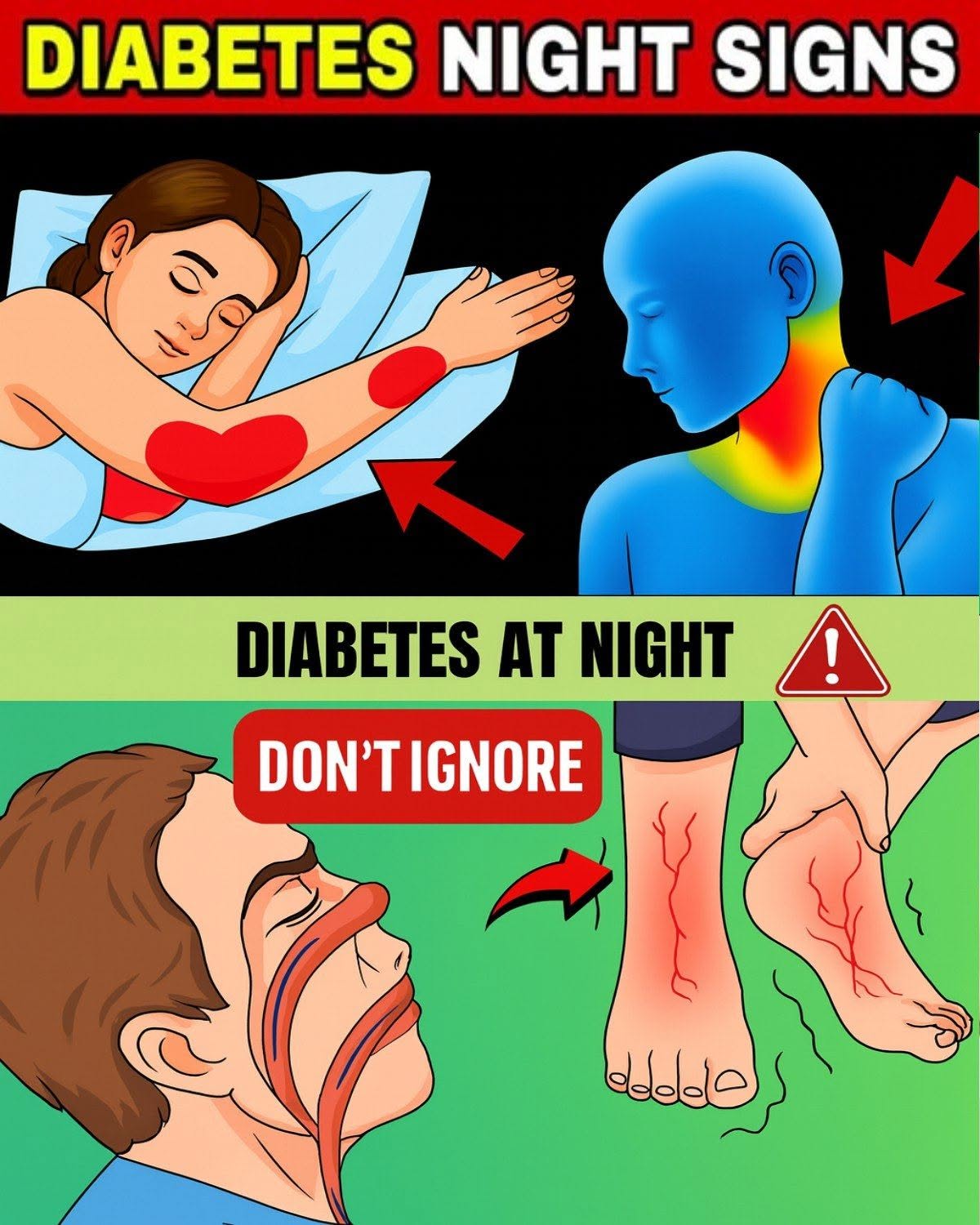
Diabetes does not always announce itself loudly during the day. Sometimes the signs become more noticeable at night, when the body is resting and there are fewer distractions. Waking up thirsty, going to the bathroom often, sweating, restless sleep, tingling feet, blurry vision, or feeling exhausted in the morning may all be clues that blood sugar is not staying balanced.
These symptoms do not automatically mean diabetes. They can also come from dehydration, stress, sleep apnea, urinary infections, menopause, caffeine, alcohol, medications, or other health conditions. But if they happen repeatedly or appear together, it is worth asking a healthcare professional about blood sugar testing. Mayo Clinic lists increased thirst, frequent urination, fatigue, blurred vision, and numbness or tingling in the hands and feet among possible diabetes symptoms.
The good news is that managing blood sugar does not always mean cutting out carbohydrates completely. The CDC explains that people with diabetes can still eat carbs, but portion size, carb type, and what you eat with them matter.
1. Waking Up to Urinate Often
Frequent urination at night can happen when blood sugar is high. The kidneys try to remove extra glucose through urine, which may make you wake up more than once to use the bathroom.
Occasional nighttime urination can happen after drinking a lot before bed. But if it becomes a pattern, especially with thirst or fatigue, it should be checked.
2. Feeling Very Thirsty at Night
Strong nighttime thirst or waking with a dry mouth may be linked to fluid loss from frequent urination. When blood sugar stays high, the body may lose more fluid, which can increase thirst.
Mayo Clinic lists frequent urination, increased thirst, and blurred vision among symptoms of hyperglycemia.
3. Sweating or Waking Up Shaky
Night sweats can have many causes, including a warm room, stress, menopause, infection, or medication effects. But in people with diabetes, waking sweaty, shaky, hungry, anxious, or confused may sometimes be linked to low blood sugar during sleep.
The American Diabetes Association notes that low blood glucose can cause symptoms such as sweating, a fast heartbeat, anxiety, and tingling.
4. Tingling, Burning, or Numb Feet
Tingling or burning in the feet can feel worse at night because the body is still. Some people describe it as pins and needles, crawling, numbness, or sharp pain.
Diabetes can affect nerves over time, but foot tingling can also come from vitamin B12 deficiency, thyroid problems, back issues, circulation problems, or medication effects. Repeated symptoms should be evaluated.
5. Restless Sleep
Blood sugar changes can disturb sleep. High blood sugar may cause thirst and bathroom trips. Low blood sugar may cause sudden waking, sweating, vivid dreams, or anxiety-like feelings.
Restless sleep alone does not prove diabetes, but it matters when it appears with thirst, frequent urination, tingling feet, blurry vision, or morning fatigue.
6. Blurry Vision at Night or in the Morning
Blurred vision can happen when blood sugar changes affect fluid balance in the eye. Some people notice blurry reading, changing focus, or unclear vision in the morning.
Sudden or severe vision changes should be checked urgently. Repeated blurry vision with thirst and frequent urination should prompt a blood sugar check.
7. Waking Up Tired Even After Sleeping
If you sleep enough but still wake up drained, heavy, foggy, or weak, blood sugar imbalance may be one possible reason. When glucose is not being used properly by the body’s cells, energy can feel low.
Fatigue is also common with anemia, thyroid disease, kidney problems, depression, poor sleep, sleep apnea, and medication side effects. Persistent fatigue deserves proper testing.
8 Tips to Avoid Blood Sugar Spikes Without Cutting Carbs
1. Choose better carbs, not zero carbs
You do not have to remove all carbohydrates. Choose slower, fiber-rich options such as oats, beans, lentils, vegetables, whole grains, berries, and sweet potatoes. The CDC says the key is choosing and portioning carbs so you get nutrition with less blood sugar impact.
2. Pair carbs with protein
Eating carbs alone can raise blood sugar faster. Pair them with protein such as eggs, chicken, fish, Greek yogurt, cottage cheese, beans, lentils, tofu, or nuts.
3. Add vegetables first
Start meals with non-starchy vegetables such as salad, broccoli, cucumber, peppers, spinach, cabbage, or green beans. This adds fiber and volume, helping the meal feel satisfying.
4. Watch portions
Carbs are not the enemy, but portions matter. The CDC explains that carb counting can help people manage blood sugar and that one carb serving is about 15 grams of carbohydrates.
5. Avoid drinking sugar
Sugary drinks can raise blood sugar quickly. Limit soda, sweet tea, fruit juice, energy drinks, and sweetened coffee drinks. Choose water, sparkling water without sugar, or unsweetened tea.
6. Walk after dinner
A gentle 10–20 minute walk after eating may help the body use glucose better. You do not need intense exercise; consistency matters more.
7. Do not eat huge meals late at night
A large late meal, especially one high in refined carbs, may worsen nighttime thirst, reflux, poor sleep, and morning blood sugar. Try eating dinner earlier and keeping late snacks small and balanced.
8. Sleep well and reduce stress
Poor sleep and stress can affect blood sugar. Try a regular sleep schedule, fewer screens before bed, calm breathing, and a relaxing evening routine.
When to Get Tested
Ask a healthcare professional about blood sugar testing if you often have nighttime thirst, frequent urination, blurry vision, tingling feet, unusual hunger, unexplained weight loss, recurring infections, or constant fatigue.
Common tests include fasting blood glucose, A1C, random blood glucose, and oral glucose tolerance testing.
Final Thoughts
Seven nighttime signs that may point to diabetes or blood sugar imbalance include frequent urination, strong thirst, sweating, restless sleep, tingling feet, blurry vision, and morning fatigue.
These symptoms can have many causes, but they should not be ignored when they happen often. And when it comes to food, the answer is not always “cut all carbs.” A smarter approach is to choose better carbs, control portions, add protein and fiber, move after meals, and get tested when symptoms appear.
Disclaimer: This article is for general educational information only and does not replace medical advice, diagnosis, or treatment. If you have persistent symptoms or concerns about blood sugar, speak with a healthcare professional.
