
Some people with more advanced kidney problems describe:
* brain fog
* difficulty focusing
* reduced alertness
* problems remembering things
These symptoms are nonspecific and can also be caused by stress, poor sleep, medications, or many other conditions.
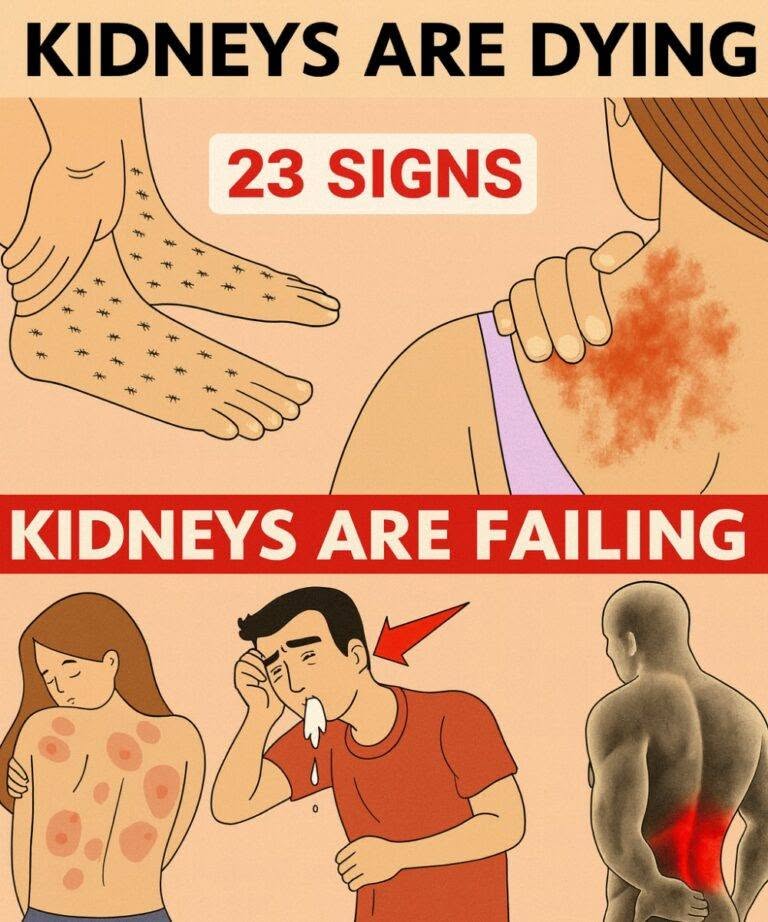
## 3. Swollen Ankles and Feet
The kidneys help control sodium and fluid levels.
When kidney function declines, excess fluid may collect in the tissues, causing swelling in the:
* feet
* ankles
* lower legs
* hands
* sometimes the face
Swelling can also be caused by heart, liver, vein, or circulation problems.
## 4. Puffy Eyes in the Morning
Persistent puffiness around the eyes can sometimes occur when protein leaks into the urine.
Occasional morning puffiness may simply result from sleep, allergies, or salt intake, but repeated swelling deserves attention.
## 5. Foamy Urine
Some people with more advanced kidney problems describe:
* brain fog
* difficulty focusing
* reduced alertness
* problems remembering things
These symptoms are nonspecific and can also be caused by stress, poor sleep, medications, or many other conditions.
## 3. Swollen Ankles and Feet
The kidneys help control sodium and fluid levels.
When kidney function declines, excess fluid may collect in the tissues, causing swelling in the:
* feet
* ankles
* lower legs
* hands
* sometimes the face
Swelling can also be caused by heart, liver, vein, or circulation problems.
## 4. Puffy Eyes in the Morning
Persistent puffiness around the eyes can sometimes occur when protein leaks into the urine.
Occasional morning puffiness may simply result from sleep, allergies, or salt intake, but repeated swelling deserves attention.
## 5. Foamy Urine
A few bubbles in urine are normal.
However, urine that is consistently very foamy may sometimes indicate protein in the urine.
This is one of the changes healthcare professionals can check with a simple urine test.
## 6. Blood in the Urine
Visible blood in the urine should always be medically evaluated.
Possible causes include:
* urinary tract infections
* kidney stones
* prostate problems
* kidney disease
* other conditions affecting the urinary system
It does not automatically mean kidney failure, but it should not be ignored.
## 7. Urinating More Often at Night
Some people with kidney problems notice they need to get up repeatedly during the night to urinate.
However, nighttime urination may also be caused by:
* diabetes
* prostate enlargement
* medications
* sleep disorders
* drinking large amounts of fluid before bed
## 8. Urinating Less Than Usual
A significant reduction in urine output can occur with certain forms of kidney injury.
This is more concerning when it appears suddenly and is accompanied by swelling, nausea, weakness, or severe illness.
## 9. Very Dark Urine
Dark urine can occur because of dehydration, foods, medications, blood, or other medical problems.
Persistent or unexplained dark urine should be evaluated, especially if it occurs with jaundice, pain, or changes in urination.
## 10. Persistent Itching
Advanced kidney disease can affect mineral balance and allow certain substances to accumulate in the body.
This may contribute to persistent itching.
But itching is extremely common and can also result from dry skin, allergies, liver disease, medications, or skin conditions.
## 11. Very Dry Skin
Dry, rough, or flaky skin can sometimes accompany kidney disease, particularly when mineral and fluid balance are affected.
Still, dry skin alone is much more likely to have another cause.
## 12. Muscle Cramps
Kidney problems can interfere with electrolyte balance, which may contribute to muscle cramping.
Possible factors include changes in:
* calcium
* phosphorus
* sodium
* potassium
Exercise, dehydration, and medications can cause cramps as well.
## 13. Restless Legs
Some people with chronic kidney disease experience uncomfortable sensations in the legs and an urge to move them, particularly at night.
This may be associated with restless legs syndrome, which can also occur in people without kidney disease.
## 14. A Metallic Taste in the Mouth
When kidney function becomes severely impaired, waste products may build up in the bloodstream and affect taste.
Some people describe:
* a metallic taste
* food tasting different
* reduced enjoyment of meals
Dental problems, medications, infections, and other conditions can cause similar changes.
## 15. Bad Breath That Seems Unusual
Advanced kidney dysfunction can sometimes alter breath odor.
However, bad breath is much more commonly caused by:
* dental problems
* gum disease
* dry mouth
* sinus issues
* certain foods
It should not be used alone as a sign of kidney disease.
## 16. Loss of Appetite
People with more advanced kidney disease may lose interest in food.
Possible reasons include:
* nausea
* altered taste
* general illness
* buildup of metabolic waste
Persistent appetite loss deserves medical evaluation.
## 17. Nausea or Vomiting
Severely reduced kidney function can lead to nausea and vomiting.
These symptoms are common in many other illnesses, so they are most concerning when combined with other signs such as swelling, major changes in urination, or severe weakness.
## 18. Unexplained Weight Loss
Weight loss without trying can occur when appetite decreases or chronic illness affects nutrition.
Because unexplained weight loss has many potential causes, it should be medically assessed if it continues.
## 19. Shortness of Breath
Breathlessness can sometimes occur with kidney disease because of:
* anemia
* excess fluid
* associated heart problems
New or worsening shortness of breath should never be assumed to be kidney-related without proper evaluation.
## 20. Difficulty Sleeping
Sleep problems are common in people with chronic kidney disease.
Possible contributors include:
* itching
* restless legs
* cramps
* breathing problems
* discomfort
But insomnia itself is extremely common and nonspecific.
## 21. Feeling Cold More Often
Anemia associated with chronic kidney disease can sometimes make people feel unusually cold, even when others are comfortable.
Thyroid problems, low body weight, poor circulation, and other conditions can cause the same symptom.
## 22. High Blood Pressure That Becomes Harder to Control
The relationship between the kidneys and blood pressure works in both directions.
High blood pressure can damage the kidneys, while kidney disease can make blood pressure more difficult to manage.
A noticeable change in previously stable blood pressure may deserve further investigation.
## 23. Chest Pain or Pressure
Chest discomfort can occur in advanced kidney disease, but this is not a symptom to monitor casually.
Chest pain may be caused by serious heart, lung, or circulatory conditions.
Seek urgent medical care if chest pain is:
* sudden
* severe
* worsening
* accompanied by shortness of breath
* associated with fainting or heavy sweating
## The Most Important Sign May Be No Sign at All
One of the biggest misconceptions about kidney disease is that it always causes obvious symptoms.
Early chronic kidney disease often produces **no noticeable symptoms**.
This is why screening can be important for people with risk factors.
## Who Is More Likely to Develop Kidney Disease?
Risk is higher in people with:
* diabetes
* high blood pressure
* cardiovascular disease
* a family history of kidney disease
* previous kidney problems
* older age
Certain medications and other chronic illnesses may also affect kidney health.
## How Doctors Check Kidney Function
Kidney disease cannot be reliably diagnosed from symptoms alone.
Healthcare professionals commonly use:
### Blood Tests
Creatinine levels are used to estimate how effectively the kidneys filter the blood, often reported as **eGFR**.
### Urine Tests
Urine testing can detect albumin or other proteins that may indicate kidney damage.
One abnormal result does not always mean chronic kidney disease. Tests may need to be repeated over time.
## When to Contact a Healthcare Professional
Arrange medical evaluation if you experience persistent:
* swelling
* blood in the urine
* significant changes in urination
* unexplained fatigue
* recurrent nausea
* unexplained weight loss
* persistent foamy urine
Seek urgent medical attention for severe shortness of breath, chest pain, confusion, or a sudden major decrease in urine output.
## The Bottom Line
Kidney problems can produce a surprisingly wide range of symptoms, from swelling and urine changes to itching, cramps, appetite loss, fatigue, and difficulty concentrating.
But most of these symptoms are **not specific to kidney disease**, and early kidney disease may cause no symptoms at all.
If you have risk factors or persistent changes that concern you, simple blood and urine tests can provide much more reliable information about kidney function than symptoms alone.
